Senior Trip Cultural Immersion in Bali Indonesia
Immerse yourself in senior trip cultural experiences in Bali, Indonesia. Discover ancient temples, traditional arts, and serene landscapes.
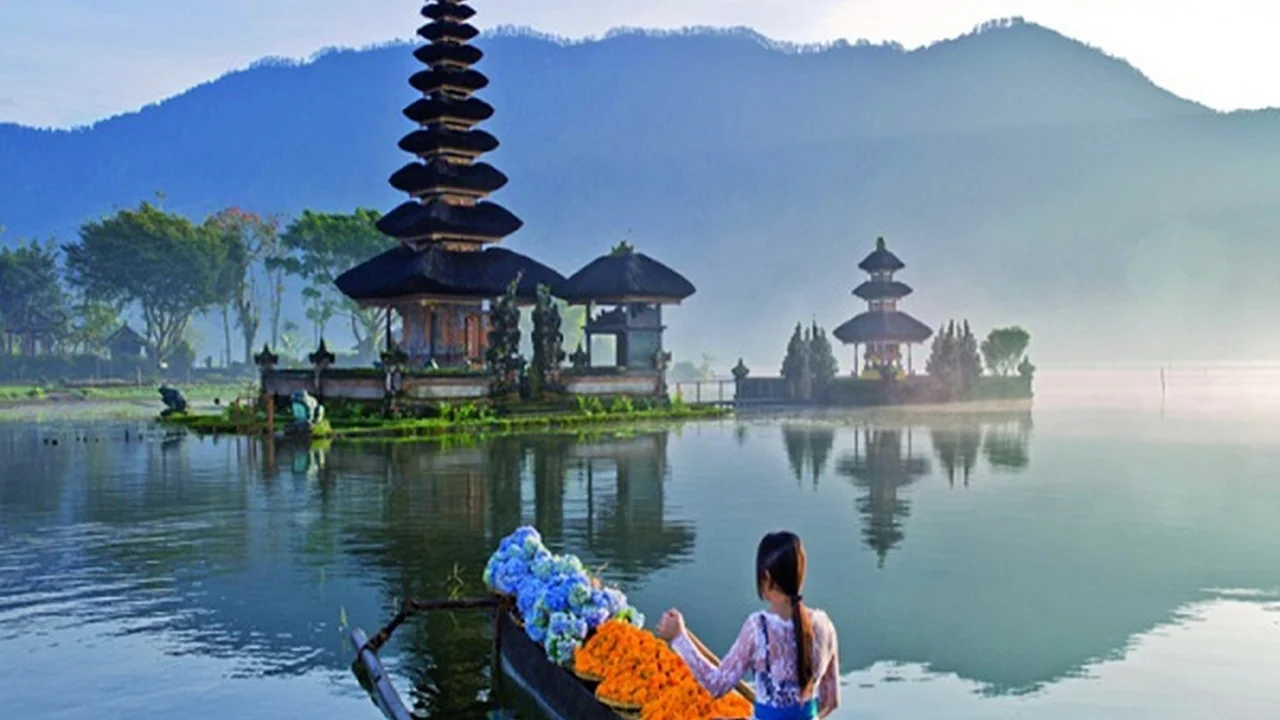
Immerse yourself in senior trip cultural experiences in Bali, Indonesia. Discover ancient temples, traditional arts, and serene landscapes.
Senior Trip Cultural Immersion in Bali Indonesia
Bali Beyond the Beaches Unveiling Authentic Cultural Experiences
So, you're planning your senior trip, and Bali, Indonesia, has caught your eye. Most people think of Bali as a paradise of stunning beaches, luxurious resorts, and vibrant nightlife. And while it certainly is all of that, there's a much deeper, richer layer to this island that often gets overlooked: its incredibly vibrant and spiritual culture. For a senior trip, especially one focused on cultural immersion, Bali offers an unparalleled opportunity to connect with ancient traditions, witness breathtaking ceremonies, and learn from a community deeply rooted in its heritage. This isn't just a vacation; it's an education, a spiritual journey, and an unforgettable adventure all rolled into one.
The Heart of Bali Exploring Balinese Hinduism and Temple Life
At the core of Balinese culture is Agama Hindu Dharma, a unique form of Hinduism that blends ancient Hindu beliefs with animism, Buddhism, and ancestor worship. This spiritual foundation permeates every aspect of daily life, from the intricate offerings (canang sari) found on every doorstep to the grand temple ceremonies that punctuate the calendar. Visiting temples is not just sightseeing; it's an opportunity to observe, and sometimes even participate in, the island's spiritual rhythm.
Uluwatu Temple A Cliffside Spiritual Marvel
Perched dramatically on a cliff edge, Uluwatu Temple (Pura Luhur Uluwatu) is one of Bali's most iconic sea temples. Dedicated to the sea gods, it offers breathtaking sunset views over the Indian Ocean. Beyond the stunning scenery, the temple is famous for its daily Kecak fire dance performances. This mesmerizing dance, performed by a chorus of men chanting 'cak-cak-cak,' tells stories from the Ramayana epic. It's a powerful, almost hypnotic experience that truly transports you. When visiting, remember to dress respectfully (sarongs are usually provided at the entrance) and be mindful of the mischievous monkeys who call the temple home – they're known for snatching sunglasses and hats!
Besakih Temple The Mother Temple of Bali
For a truly profound spiritual experience, a visit to Besakih Temple (Pura Besakih) is essential. Located on the slopes of Mount Agung, Bali's highest volcano, Besakih is the largest and holiest temple complex on the island, often referred to as the 'Mother Temple.' It comprises over 86 temples and shrines, each dedicated to different deities and ancestral spirits. Walking through its sprawling courtyards, with the majestic volcano as a backdrop, you'll feel the immense spiritual energy of the place. It's a place of pilgrimage for Balinese Hindus, and witnessing a ceremony here, with its vibrant colors, fragrant incense, and rhythmic gamelan music, is an incredibly moving experience. Be prepared for a lot of walking and consider hiring a local guide to help navigate the complex and explain its significance.
Tirta Empul Temple Purification and Sacred Waters
Tirta Empul Temple is renowned for its holy spring water, where Balinese Hindus go for ritual purification (melukat). The temple complex features a series of pools fed by the sacred spring, with various spouts where devotees cleanse themselves. While tourists are welcome to participate, it's important to do so respectfully. You'll need to wear a sarong and sash, and it's advisable to have a local guide explain the proper etiquette and sequence of purification. This is a unique opportunity to engage directly with a core Balinese spiritual practice.
Balinese Arts and Crafts Hands-On Cultural Workshops
Balinese artistry is world-renowned, from intricate wood carvings and silver jewelry to vibrant paintings and traditional textiles. Engaging in a hands-on workshop is a fantastic way to not only appreciate the skill involved but also to create your own piece of Balinese culture to take home.
Ubud The Artistic Heartland for Workshops
Ubud, often considered Bali's cultural and artistic hub, is the perfect place to find a wide variety of workshops. You can learn traditional Balinese painting, try your hand at silver smithing, or even carve your own wooden mask. Many workshops are run by local families who have passed down their skills through generations, offering an authentic and intimate learning experience.
Recommended Workshop Providers and Products
When looking for workshops, consider providers that emphasize authenticity and local engagement. Here are a few examples, though many smaller, equally wonderful options exist:
- Pondok Pekak Library & Learning Centre (Ubud): While primarily a library, they offer various cultural workshops including Balinese dance, gamelan music, wood carving, and fruit carving. Their focus is on preserving and sharing Balinese culture.
- Chez Monique Jewelry Workshop (Ubud): If you're interested in silver smithing, this workshop is highly rated. You'll learn traditional techniques and create your own silver ring or pendant.
- Five Art Studio (Ubud): Offers Balinese painting classes for all skill levels, focusing on traditional styles and techniques.
Product Comparison:
- Wood Carving Kit (DIY at home): While not a workshop, some online retailers sell Balinese-style wood carving kits (e.g., from Etsy sellers specializing in craft supplies). These might range from $30-$100. Pros: Learn at your own pace, no travel required. Cons: Lacks the authentic instruction and cultural immersion of a local workshop.
- Silver Jewelry Making Workshop (Bali): Typically costs around $50-$100 for a half-day session, including materials for one piece. Pros: Hands-on experience, direct instruction from local artisans, you create a unique souvenir. Cons: Requires being in Bali, time commitment.
- Balinese Painting Class (Bali): Prices vary, but often around $40-$80 for a half-day class. Pros: Learn traditional art forms, express creativity, take home your artwork. Cons: Requires being in Bali, may not appeal to everyone.
For a senior trip focused on immersion, the in-person workshops in Bali are undoubtedly the superior choice. The value isn't just in the product you create, but in the process, the interaction with local artists, and the cultural context.
Culinary Journeys Savoring Balinese Flavors and Cooking Classes
Food is an integral part of any culture, and Balinese cuisine is a delightful fusion of fresh ingredients, aromatic spices, and traditional cooking methods. Taking a cooking class is an excellent way to delve into the local flavors and learn to recreate them back home.
Farm-to-Table Experiences and Traditional Markets
Many cooking classes in Bali begin with a visit to a local market. This is an experience in itself, a vibrant assault on the senses with colorful fruits, exotic spices, and bustling activity. You'll learn about local ingredients and how to select the freshest produce. Following the market visit, you'll typically head to a traditional Balinese kitchen, often set in a beautiful rural location, where you'll learn to prepare classic dishes like Nasi Goreng (fried rice), Mie Goreng (fried noodles), Sate Lilit (minced fish satay), and various curries.
Recommended Cooking Schools and Ingredients
- Paon Bali Cooking Class (Ubud): Highly popular for its authentic experience, starting with a market tour and offering a wide range of traditional dishes.
- Lobong Culinary Experience (Ubud): Another excellent option, often praised for its friendly instructors and beautiful setting.
- Bumbu Bali Cooking School (Tanjung Benoa): Offers a more upscale experience with a focus on Balinese and Indonesian cuisine, including a market tour.
Specific Ingredients to Look For:
- Basa Genep (Balinese Spice Paste): The heart of Balinese cooking, a blend of shallots, garlic, ginger, turmeric, galangal, chili, and more.
- Lemongrass, Kaffir Lime Leaves, and Galangal: Essential aromatics.
- Coconut Milk: Used extensively in curries and desserts.
- Palm Sugar (Gula Aren): A natural sweetener with a distinct caramel flavor.
Traditional Balinese Dance and Music The Rhythmic Soul of the Island
Balinese dance and music are not merely entertainment; they are sacred art forms, often telling stories from Hindu epics or depicting aspects of daily life. The intricate movements of the dancers, combined with the hypnotic sounds of the gamelan orchestra, create a truly captivating spectacle.
Where to Witness Performances
Ubud is the best place to experience traditional Balinese dance. Many temples and cultural centers host nightly performances. The most famous include the Kecak fire dance at Uluwatu Temple (as mentioned), the Legong dance, and the Barong and Kris dance.
Understanding the Gamelan Orchestra
The gamelan is a traditional ensemble of percussion instruments, primarily metallophones, gongs, and drums. Its complex, layered rhythms are the backbone of Balinese music and dance. Attending a performance is a sensory feast, and you might even find opportunities to try playing some of the instruments yourself in certain cultural centers.
Connecting with Locals Community Engagement and Homestays
True cultural immersion goes beyond observing; it involves connecting with the local people. While not for everyone, a homestay experience can offer an unparalleled insight into daily Balinese life.
Homestay Experiences A Deeper Dive
Staying with a local family, even for a few nights, allows you to experience Balinese hospitality firsthand. You'll share meals, learn about their customs, and gain a deeper understanding of their way of life. Many homestays are simple but comfortable, offering a genuine connection that hotels simply cannot provide. Look for homestays in more rural areas like Sidemen or Munduk for a truly authentic experience.
Ethical Tourism Supporting Local Communities
When choosing tours, workshops, and accommodations, prioritize those that are locally owned and operated. This ensures that your tourism dollars directly benefit the Balinese people and help preserve their culture. Look for certifications or reviews that highlight ethical practices and community support.
Beyond the Mainstream Exploring Lesser-Known Cultural Gems
While the popular spots are popular for a reason, venturing off the beaten path can lead to even more profound cultural discoveries.
Tenganan Pegeringsingan Village Ancient Traditions Alive
Tenganan Pegeringsingan is one of Bali's oldest and most traditional villages, home to the Bali Aga people, the island's aboriginal inhabitants. This walled village has preserved its ancient customs and traditions, including the unique 'gringsing' double ikat weaving technique, which is said to have magical properties. Visiting Tenganan offers a glimpse into a way of life that has remained largely unchanged for centuries.
Penglipuran Village A Model of Traditional Balinese Architecture
Often cited as one of the cleanest and most well-preserved traditional villages in Bali, Penglipuran offers a beautiful example of traditional Balinese architecture and village planning. Its orderly layout, bamboo forests, and friendly residents make it a pleasant and insightful visit. It's a great place to observe daily life and appreciate the communal harmony that defines Balinese society.
Practical Tips for Cultural Immersion in Bali
- Dress Code: When visiting temples, always wear a sarong and sash. These are often available for rent or provided at the entrance. Shoulders should also be covered.
- Respectful Behavior: Always use your right hand when giving or receiving something. Avoid pointing with your feet. Do not touch people's heads. Be mindful of ongoing ceremonies and avoid walking in front of praying individuals.
- Language: While many Balinese speak English, learning a few basic Indonesian phrases (e.g., 'Terima kasih' - Thank you, 'Apa kabar?' - How are you?) will go a long way in showing respect and fostering connections.
- Bargaining: In markets, bargaining is common and expected, but do so respectfully and with a smile.
- Offerings (Canang Sari): Be careful not to step on the small palm-leaf offerings found on sidewalks and doorsteps. These are daily offerings to the gods and spirits.
- Guides: Consider hiring local guides, especially for temple visits or cultural tours. They can provide invaluable insights and help you navigate cultural nuances.
Embracing the Balinese Spirit A Journey of Discovery
A senior trip to Bali focused on cultural immersion is an incredibly rewarding experience. It's about slowing down, opening your mind, and allowing yourself to be enveloped by the island's unique spiritual energy and artistic beauty. From the ancient temples echoing with prayers to the vibrant markets bursting with life, and the warm smiles of its people, Bali offers a journey that will not only create lasting memories but also enrich your understanding of a truly remarkable culture. So pack your bags, prepare your senses, and get ready to discover the heart and soul of the Island of the Gods.
:max_bytes(150000):strip_icc()/277019-baked-pork-chops-with-cream-of-mushroom-soup-DDMFS-beauty-4x3-BG-7505-5762b731cf30447d9cbbbbbf387beafa.jpg)