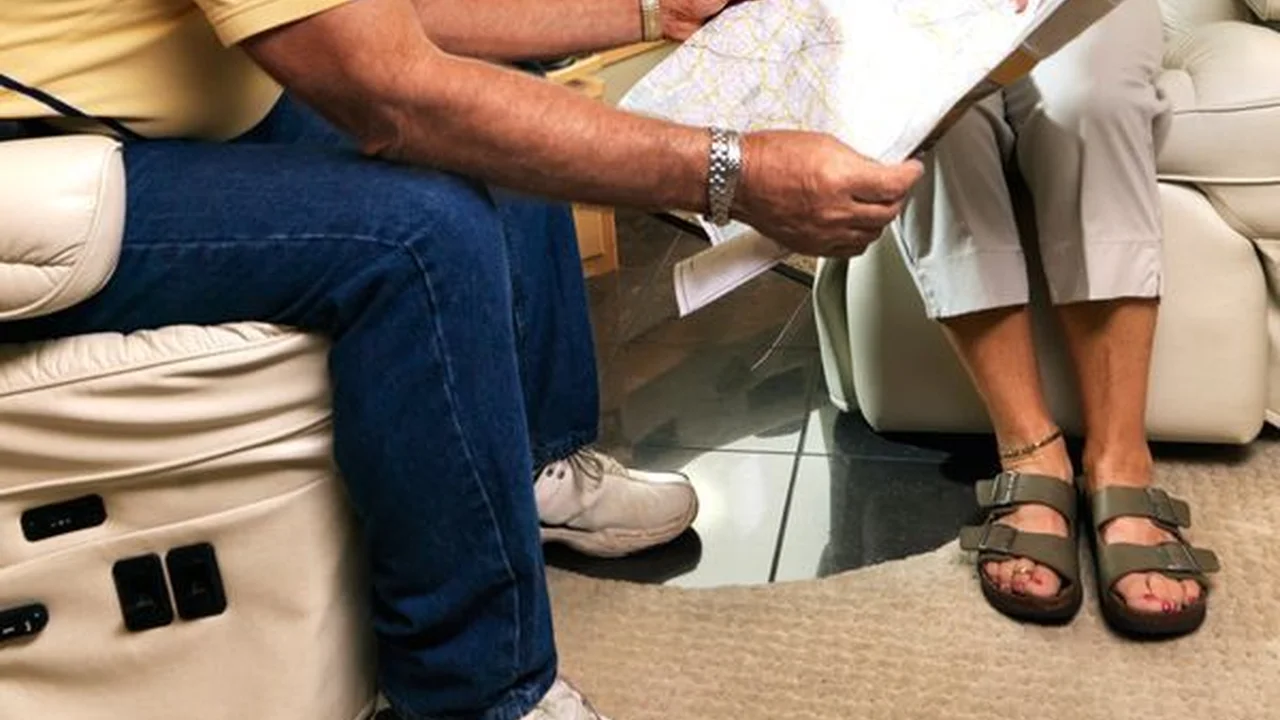
Discover senior trip historical sites in Singapore. Explore a blend of colonial heritage and modern marvels.
Discover senior trip historical sites in Singapore. Explore a blend of colonial heritage and modern marvels.
Senior Trip Historical Sites in Singapore Unveiling the Lion City's Past
Exploring Singapore's Rich History A Senior Traveler's Guide
Singapore, often celebrated for its futuristic skyline, lush gardens, and vibrant culinary scene, holds a surprisingly rich and complex history. For senior travelers seeking to delve beyond the modern facade, the Lion City offers a treasure trove of historical sites that tell tales of colonial rule, wartime struggles, and the remarkable journey to independence. This guide will take you through some of Singapore's most significant historical landmarks, offering insights into their importance and practical tips for your visit.
Colonial Legacy Iconic Historical Buildings and Districts
Singapore's colonial past under British rule left an indelible mark on its architecture and urban planning. Many of the city's most iconic historical buildings date back to this era, showcasing a blend of European and local influences.
Raffles Hotel A Timeless Icon of Singapore History
No discussion of Singapore's colonial history is complete without mentioning the legendary Raffles Hotel. Opened in 1887, this grand dame of hotels has hosted countless dignitaries, writers, and celebrities. Its Victorian architecture, lush courtyards, and the famous Long Bar (birthplace of the Singapore Sling) offer a glimpse into a bygone era. While staying there might be a splurge, you can still visit the public areas, enjoy a drink, or simply soak in the atmosphere. The Raffles Arcade, connected to the hotel, also houses a museum detailing the hotel's history.
The National Gallery Singapore A Fusion of Art and Heritage
Located in the heart of the Civic District, the National Gallery Singapore is housed within two magnificent national monuments: the former Supreme Court and City Hall. These buildings themselves are steeped in history. City Hall was where the Japanese surrendered to the British in 1945, marking the end of World War II in Singapore, and where Singapore's first prime minister, Lee Kuan Yew, declared self-governance in 1959. The Gallery now showcases a vast collection of Southeast Asian art, but the architecture and the stories embedded within the walls are equally captivating. Consider taking a guided tour to learn more about the buildings' historical significance.
Fort Canning Park A Hill of History and Greenery
Fort Canning Park, a small hill in the city center, has played a pivotal role in Singapore's history for centuries. Once the site of ancient Malay royalty's palaces, it later became the headquarters of the British Far East Command during World War II. Today, you can explore various historical relics, including the Battlebox (an underground command center), the Spice Garden, and ancient burial grounds. The park offers a peaceful escape from the urban bustle and provides panoramic views of the city. It's a great spot for a leisurely stroll, with well-maintained paths and historical markers.
The Fullerton Hotel Singapore From Post Office to Luxury Landmark
Another architectural marvel with a rich past is The Fullerton Hotel Singapore. Originally built in 1928 as the General Post Office, it also housed various government departments. Its neoclassical architecture and prominent location by the Singapore River made it a significant landmark. Today, it's a luxurious hotel, but its grand facade and historical significance remain. You can admire its exterior, or even enjoy a meal or drink in one of its restaurants, appreciating the transformation of this historic building.
Wartime Memories Sites of World War II Significance
Singapore's experience during World War II, particularly the Japanese Occupation, is a somber but crucial part of its history. Several sites across the island serve as poignant reminders of this challenging period.
The Changi Chapel and Museum Remembering the POWs
The Changi Chapel and Museum is dedicated to the memory of those who suffered and died during the Japanese Occupation of Singapore, particularly the prisoners of war (POWs) held at Changi Prison. The museum houses personal artifacts, drawings, and letters from the POWs, offering a deeply moving insight into their resilience and suffering. The chapel is a replica of the original chapel built by the POWs. It's a place for quiet reflection and understanding the human cost of war.
Reflections at Bukit Chandu A Heroic Stand
Reflections at Bukit Chandu commemorates the Battle of Pasir Panjang, one of the last and most ferocious battles fought in Singapore during World War II. It was here that a small group of Malay soldiers, led by Lieutenant Adnan Saidi, made a heroic last stand against overwhelming Japanese forces. The museum tells their story through interactive exhibits and personal accounts, highlighting their bravery and sacrifice. The location itself, on a hill overlooking the sea, adds to the poignant atmosphere.
The Civilian War Memorial A Tribute to Victims
Located in the War Memorial Park, the Civilian War Memorial stands as a solemn tribute to the thousands of innocent civilians who perished during the Japanese Occupation. Its four towering pillars represent the four main ethnic groups of Singapore (Chinese, Malay, Indian, and Eurasian), symbolizing their unity in suffering. It's a place for quiet contemplation and remembrance, reminding visitors of the importance of peace.
Cultural Enclaves A Tapestry of Traditions
Singapore's multicultural identity is deeply rooted in its history, with various ethnic groups settling here over centuries. Exploring the city's cultural enclaves offers a vibrant journey through different traditions and historical narratives.
Chinatown A Glimpse into Early Chinese Settlement
Singapore's Chinatown is a bustling district that tells the story of early Chinese immigrants who arrived in the 19th century. Here, you can explore traditional shophouses, vibrant markets, and historical temples like the Sri Mariamman Temple (Singapore's oldest Hindu temple) and the Buddha Tooth Relic Temple. The Chinatown Heritage Centre provides an immersive experience, recreating the living conditions of early settlers. It's a fantastic place to wander, sample local food, and soak in the atmosphere of a bygone era.
Little India A Sensory Journey Through Indian Heritage
Step into Little India and be transported to a world of vibrant colors, aromatic spices, and lively music. This historical precinct was where many Indian immigrants first settled. You'll find ornate temples, traditional eateries, and shops selling everything from saris to gold jewelry. The Indian Heritage Centre offers a comprehensive overview of the history and culture of the Indian community in Singapore. Don't miss the chance to try some authentic Indian cuisine and explore the bustling Mustafa Centre, a 24-hour shopping paradise.
Kampong Glam The Malay and Arab Quarter
Kampong Glam, Singapore's Malay and Arab quarter, is rich in history and culture. Its centerpiece is the majestic Sultan Mosque, with its golden domes and grand architecture. This area was historically home to the Malay aristocracy and Arab traders. Today, it's a vibrant mix of traditional shophouses, trendy boutiques, and Middle Eastern restaurants. Haji Lane, a narrow alleyway filled with colorful murals and independent shops, is a popular spot. The Malay Heritage Centre, housed in the former Sultan's palace, provides insights into Malay culture and history.
Modern Singapore's Genesis From Fishing Village to Global City
While much of Singapore's historical narrative focuses on its colonial and wartime past, the story of its rapid development into a modern, independent nation is equally compelling.
The National Museum of Singapore Chronicling the Nation's Journey
As Singapore's oldest museum, the National Museum of Singapore offers a comprehensive overview of the nation's history, from its ancient origins to its contemporary success. Its permanent galleries use engaging exhibits, artifacts, and multimedia presentations to tell the Singapore Story. It's an excellent starting point for understanding the broader historical context of the city-state and its people. The museum is well-designed and accessible, making it a comfortable visit for senior travelers.
The Singapore River A Lifeline of Trade and Transformation
The Singapore River was the lifeblood of early Singapore, serving as a bustling port where goods were loaded and unloaded. Along its banks, you'll find historical landmarks like the Cavenagh Bridge, the Asian Civilisations Museum (housed in the former Empress Place Building), and the Boat Quay and Clarke Quay areas, once thriving commercial hubs. A leisurely stroll along the river or a bumboat ride offers a unique perspective on Singapore's historical development and its transformation from a trading post to a global city.
Practical Tips for Senior Travelers Exploring Singapore's History
Exploring historical sites can be an enriching experience, and with a few practical considerations, senior travelers can make the most of their historical journey through Singapore.
Accessibility and Comfort Navigating Historical Sites
Many of Singapore's historical sites are well-equipped for senior visitors. Most museums and major attractions have ramps, elevators, and accessible restrooms. Public transportation, particularly the MRT (Mass Rapid Transit) system, is highly accessible, with lifts and escalators at most stations. When planning your itinerary, consider the amount of walking involved and factor in rest breaks. Comfortable walking shoes are a must.
Guided Tours and Audio Guides Enhancing Your Understanding
To truly appreciate the depth of Singapore's history, consider joining guided tours or utilizing audio guides. Many museums and historical sites offer these, providing valuable context and insights that you might otherwise miss. Local guides can also share personal anecdotes and lesser-known stories, making the experience more engaging. Look for tours specifically designed for a more relaxed pace if needed.
Staying Hydrated and Sun Protected Essential for Outdoor Exploration
Singapore's tropical climate means it can be hot and humid, especially when exploring outdoor historical sites like Fort Canning Park or the cultural enclaves. Always carry a water bottle to stay hydrated. Wear lightweight, breathable clothing, a wide-brimmed hat, and apply sunscreen regularly. Many historical sites have shaded areas or cafes where you can take a break from the sun.
Recommended Products for a Comfortable Historical Tour
To enhance your historical exploration, here are a few product recommendations, keeping comfort and convenience in mind for senior travelers:
1. Lightweight Portable Stool or Cane Chair
* Product Example: Drive Medical Deluxe Folding Cane Seat
* Use Case: Ideal for moments when you need a quick rest during walking tours or while waiting in line at popular historical sites. It provides instant seating without being cumbersome.
* Comparison: Unlike a regular cane, it offers a stable seat. Compared to a full portable chair, it's much lighter and more discreet.
* Price Range: Typically $30 - $60 USD.
2. Comfortable Walking Shoes with Good Support
* Product Example: Skechers Go Walk series or New Balance Fresh Foam series
* Use Case: Essential for long days of walking through museums, parks, and cultural districts. Good arch support and cushioning reduce fatigue and prevent discomfort.
* Comparison: Prioritize athletic or walking shoes over fashion sneakers for better support and breathability. Look for brands known for comfort and durability.
* Price Range: Typically $60 - $120 USD.
3. Compact and Lightweight Backpack or Crossbody Bag
* Product Example: Osprey Daylite Sling or Travelon Anti-Theft Classic Backpack
* Use Case: To carry essentials like water, sunscreen, a small umbrella, and personal items without straining your shoulders. An anti-theft feature adds peace of mind in crowded areas.
* Comparison: A crossbody bag keeps items easily accessible and secure in front of you. A small backpack distributes weight more evenly. Avoid large, heavy bags.
* Price Range: Typically $40 - $100 USD.
4. Portable Power Bank for Mobile Devices
* Product Example: Anker PowerCore 10000
* Use Case: For keeping your smartphone charged, especially if you're using it for navigation, taking photos, or accessing audio guides. You don't want your device dying in the middle of exploring.
* Comparison: Look for a compact model with enough capacity for at least 2-3 full phone charges. Anker is known for reliability.
* Price Range: Typically $25 - $50 USD.
5. Personal Cooling Towel or Handheld Fan
* Product Example: Frogg Toggs Chilly Pad Cooling Towel or JISULIFE Handheld Fan
* Use Case: To combat Singapore's humidity and heat, especially when exploring outdoor sites. A cooling towel provides instant relief, while a fan offers a continuous breeze.
* Comparison: Cooling towels are great for direct skin contact. Handheld fans offer more general airflow. Both are lightweight and easy to carry.
* Price Range: Cooling Towel: $10 - $20 USD; Handheld Fan: $15 - $30 USD.
Beyond the Landmarks Immersive Historical Experiences
Singapore's history isn't just confined to its grand buildings and museums. It's also alive in its vibrant neighborhoods, traditional crafts, and culinary heritage.
Hawker Centers A Culinary Journey Through Time
While not strictly 'historical sites' in the traditional sense, Singapore's hawker centers are living museums of its culinary history and multiculturalism. These open-air food courts offer a vast array of local dishes, many of which have been passed down through generations. Eating at a hawker center is an authentic Singaporean experience, allowing you to taste the flavors that have shaped the nation's palate. Consider visiting older, more established hawker centers like Lau Pa Sat or Maxwell Food Centre for a taste of tradition.
Traditional Crafts and Workshops Preserving Heritage
Look for opportunities to engage with Singapore's traditional crafts. In areas like Kampong Glam, you might find shops selling traditional Malay textiles or perfumeries. In Chinatown, explore calligraphy shops or traditional Chinese medicine halls. Some places offer workshops where you can learn about these crafts firsthand, providing a deeper connection to Singapore's cultural heritage.
Storytelling and Performances Bringing History to Life
Keep an eye out for storytelling sessions, cultural performances, or historical reenactments that occasionally take place at various sites or cultural centers. These can offer a dynamic and engaging way to learn about Singapore's past, bringing historical figures and events to life through narrative and art.
Planning Your Historical Itinerary Maximizing Your Senior Trip
To make the most of your senior trip exploring Singapore's historical sites, a well-planned itinerary is key. Consider grouping sites by geographical location to minimize travel time and maximize your exploration.
Day 1 Colonial Charm and National Narratives
Start your day at the Civic District. Begin with the National Gallery Singapore, dedicating ample time to explore both the art and the historical buildings. Afterwards, take a short walk to the iconic Raffles Hotel for a glimpse of colonial grandeur. In the afternoon, ascend Fort Canning Park to explore its historical relics and enjoy the greenery. Conclude your day with a leisurely stroll along the Singapore River, admiring the historical buildings that line its banks.
Day 2 Wartime Reflections and Cultural Immersion
Dedicate your morning to understanding Singapore's wartime history. Visit the Changi Chapel and Museum for a poignant experience, followed by Reflections at Bukit Chandu. In the afternoon, immerse yourself in the vibrant history of Chinatown. Explore the shophouses, visit the temples, and consider a visit to the Chinatown Heritage Centre. Enjoy dinner at a traditional hawker center in the area.
Day 3 Multicultural Tapestry and Modern History
Begin your day in Little India, exploring its temples, shops, and the Indian Heritage Centre. Then, move on to Kampong Glam, visiting the Sultan Mosque and wandering through Haji Lane. In the afternoon, head to the National Museum of Singapore to gain a comprehensive understanding of Singapore's journey from a fishing village to a global city. Consider a relaxing evening at a rooftop bar with views of the illuminated city, reflecting on the blend of old and new that defines Singapore.
Final Thoughts on Singapore's Historical Journey for Senior Travelers
Singapore, with its captivating blend of past and present, offers a truly unique historical journey for senior travelers. From the grandeur of its colonial architecture to the poignant reminders of wartime struggles and the vibrant tapestry of its multicultural enclaves, every corner of the city tells a story. By taking your time, utilizing accessible resources, and embracing the rich narratives embedded within its landmarks, you'll discover that Singapore is much more than just a modern metropolis; it's a city with a soul shaped by centuries of history. Enjoy your exploration of the Lion City's remarkable past.
:max_bytes(150000):strip_icc()/277019-baked-pork-chops-with-cream-of-mushroom-soup-DDMFS-beauty-4x3-BG-7505-5762b731cf30447d9cbbbbbf387beafa.jpg)