Senior Trip Wildlife Encounters in Alaska
Experience incredible senior trip wildlife encounters in Alaska. Witness majestic animals in their natural habitat.
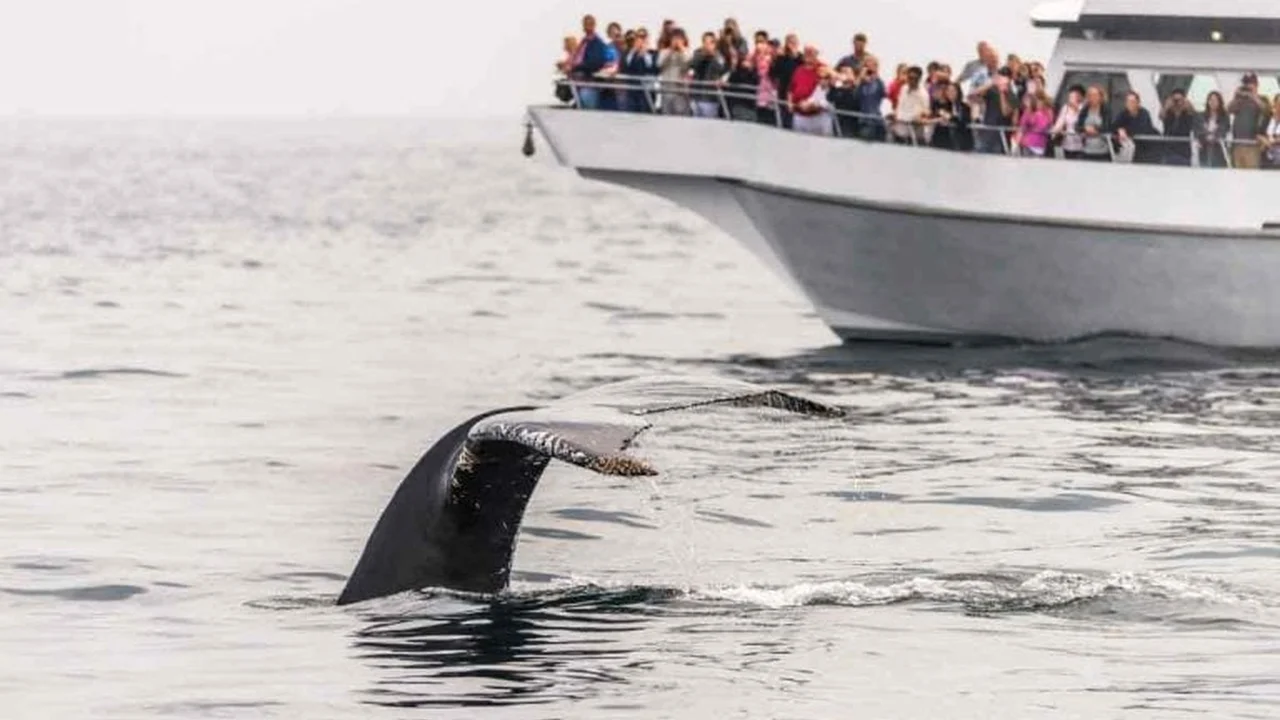
Experience incredible senior trip wildlife encounters in Alaska. Witness majestic animals in their natural habitat.
Senior Trip Wildlife Encounters in Alaska Your Ultimate Guide
Hey there, future adventurers! So, you're thinking about an Alaskan senior trip, huh? That's awesome! Alaska isn't just about stunning landscapes; it's a living, breathing wilderness teeming with incredible wildlife. Imagine seeing a grizzly bear in its natural habitat, watching whales breach in icy waters, or spotting a majestic bald eagle soaring overhead. It's truly a once-in-a-lifetime experience, and we're here to help you make the most of it. This guide is all about getting you up close and personal with Alaska's amazing animals, safely and responsibly.
Best Times for Alaskan Wildlife Viewing Peak Seasons and What to Expect
Timing is everything when it comes to wildlife viewing in Alaska. While you can spot animals year-round, certain seasons offer better chances for specific species. Generally, late spring through early fall (May to September) is prime time. Here's a breakdown:
- May-June: This is when things really start to wake up. Bears are emerging from hibernation, moose are giving birth to calves, and migratory birds are returning. It's also a great time for whale watching as many species are migrating to Alaskan waters. The weather is usually milder, and there are fewer crowds than in peak summer.
- July-August: Peak season! The salmon runs are in full swing, which means bears are actively fishing, and eagles are abundant. This is also the best time for seeing caribou herds and marine mammals like sea otters and seals. Expect more tourists and higher prices during these months, so book everything well in advance.
- September: As fall colors emerge, wildlife viewing can still be fantastic, especially for bears preparing for hibernation. The salmon runs are winding down, but you might catch some incredible scenes of bears feasting. Crowds thin out, and prices might drop a bit, making it a good option if you prefer a quieter experience.
Top Alaskan Wildlife Viewing Locations Where to Spot Iconic Animals
Alaska is vast, and different areas offer unique wildlife opportunities. Here are some of the best spots to consider for your senior trip:
Denali National Park and Preserve Iconic Alaskan Mammals
Denali is a must-visit for its 'Big Five' – grizzly bears, moose, caribou, Dall sheep, and wolves. The park road is mostly restricted to park buses, which are excellent for wildlife spotting. Drivers are trained to stop for animal sightings, and you'll get incredible photo opportunities. Consider taking a longer bus tour for deeper access into the park. Remember, it's a wilderness, so sightings are never guaranteed, but your chances are very high here.
Kenai Fjords National Park Marine Wildlife and Glaciers
Located near Seward, Kenai Fjords is famous for its marine wildlife. Boat tours are the best way to see humpback whales, orcas, sea otters, harbor seals, Steller sea lions, and puffins. You'll also get stunning views of tidewater glaciers calving into the ocean. It's an incredible combination of wildlife and breathtaking scenery.
Katmai National Park and Preserve Brown Bear Hotspot
If seeing brown bears (grizzlies) is your top priority, Katmai is the place. Brooks Falls is world-renowned for its bears fishing for salmon, especially in July. Access is typically by floatplane, and it's a highly regulated experience to ensure both human and bear safety. This is a truly wild and unforgettable encounter.
Alaska's Coastal Waters Whale Watching and Marine Life
Beyond Kenai Fjords, many coastal towns offer fantastic whale watching tours. Juneau, Seward, Homer, and Valdez are all great starting points. You'll have opportunities to see humpbacks, orcas, gray whales, and various other marine mammals and seabirds. Look for tours that offer a 'whale guarantee' for peace of mind.
Chugach National Forest and State Parks Accessible Wildlife Viewing
Closer to Anchorage, the Chugach National Forest and various state parks offer more accessible wildlife viewing. You might spot moose grazing along roadsides, bald eagles nesting, or even black bears. Hiking trails can also lead to unexpected encounters, but always be bear aware!
Essential Gear for Alaskan Wildlife Viewing Recommended Products and Comparisons
To make your wildlife viewing experience truly spectacular, having the right gear is crucial. Here are some recommendations, including specific products and why they're great for your senior trip:
Binoculars and Spotting Scopes Magnify Your Sightings
These are non-negotiable. You'll want to see details of distant animals without disturbing them. For general use, a good pair of binoculars is perfect. If you're serious about birding or want to see fine details of animals far away, a spotting scope is a fantastic addition.
- Binoculars Recommendation: Nikon Monarch M5 10x42
- Why it's great: These offer excellent clarity, a wide field of view, and are relatively lightweight and durable. The 10x magnification is powerful enough for most wildlife viewing without being too shaky. They're also fog-proof and waterproof, essential for Alaska's unpredictable weather.
- Use Case: Perfect for general wildlife viewing from a bus in Denali, spotting whales from a boat, or observing birds.
- Price Range: Around $250-$300 USD.
- Spotting Scope Recommendation: Vortex Optics Diamondback HD 20-60x85
- Why it's great: If you want to get serious about long-distance viewing, this scope offers incredible magnification and bright, clear images. It's robust and built for outdoor use. You'll need a sturdy tripod with this.
- Use Case: Ideal for observing Dall sheep on distant mountainsides, detailed bird watching, or getting a closer look at bears across a valley.
- Price Range: Around $600-$700 USD (plus tripod).
- Comparison: Binoculars are more versatile for quick scanning and handheld use. Spotting scopes offer superior magnification and detail but require a tripod and are less portable. For most senior travelers, a good pair of binoculars will suffice, but if you have a specific interest in detailed viewing, consider a scope.
Camera Gear Capturing Those Unforgettable Moments
You'll definitely want to capture these memories! While your smartphone is great for general shots, for serious wildlife photography, you'll want something with a good zoom.
- Compact Superzoom Camera Recommendation: Panasonic Lumix FZ1000 II
- Why it's great: This camera offers a large sensor for better image quality than typical point-and-shoots, and a fantastic 16x optical zoom (25-400mm equivalent). It's much lighter and less complex than a DSLR or mirrorless camera with multiple lenses, making it perfect for travel.
- Use Case: Excellent for capturing wildlife from a distance without needing to change lenses. Good for both photos and 4K video.
- Price Range: Around $800-$900 USD.
- Mirrorless Camera Kit Recommendation: Sony Alpha a6100 with 70-350mm Lens
- Why it's great: If you're looking for higher image quality and more flexibility, a mirrorless camera is a great choice. The a6100 is compact but powerful, and the 70-350mm lens provides excellent reach for wildlife. It's a step up in complexity but offers superior results.
- Use Case: For enthusiasts who want professional-looking wildlife photos. Great for capturing fast-moving animals with its quick autofocus.
- Price Range: Around $1,500-$1,800 USD for the body and lens.
- Comparison: Superzoom cameras are convenient and offer good reach without the bulk. Mirrorless cameras provide better image quality and more creative control but are more expensive and require some photography knowledge. Choose based on your budget and how serious you are about photography.
Weather-Appropriate Clothing Layering for Alaskan Conditions
Alaska's weather can change on a dime, so layering is key. Think waterproof and windproof outer layers, warm fleeces or down jackets, and moisture-wicking base layers. Don't forget a warm hat, gloves, and waterproof hiking boots.
- Outer Shell Recommendation: Patagonia Torrentshell 3L Jacket
- Why it's great: This jacket is lightweight, packable, and provides excellent waterproof and windproof protection. It's durable and breathable, perfect for active days.
- Use Case: Your primary defense against rain and wind on boat tours, hikes, or just walking around town.
- Price Range: Around $180-$200 USD.
- Mid-Layer Recommendation: Arc'teryx Kyanite AR Hoody (Fleece)
- Why it's great: A warm, comfortable, and breathable fleece that provides excellent insulation. It's versatile enough to wear on its own or as a mid-layer under a shell.
- Use Case: Keeping warm on cooler days or evenings, or as an insulating layer when temperatures drop.
- Price Range: Around $150-$180 USD.
- Footwear Recommendation: Merrell Moab 3 Mid Waterproof Hiking Boots
- Why it's great: These are comfortable, supportive, and waterproof, making them ideal for various terrains and wet conditions. They offer good traction and ankle support.
- Use Case: Essential for any walking, hiking, or even just staying dry on boat decks.
- Price Range: Around $140-$160 USD.
Safety First Responsible Wildlife Viewing Practices
Seeing wildlife in Alaska is incredible, but it's crucial to do so safely and responsibly, both for your well-being and the animals'.
Maintain a Safe Distance Respecting Animal Space
This is the golden rule. Never approach wildlife, no matter how docile they appear. Use your binoculars and zoom lens! The general rule of thumb is to stay at least 25 yards (23 meters) from most wildlife and 100 yards (91 meters) from bears and wolves. If an animal changes its behavior because of your presence, you're too close.
Never Feed Wildlife Keep Them Wild
Feeding animals, even unintentionally, can lead to them associating humans with food. This can make them aggressive or dependent, often leading to tragic outcomes for the animals. Store all food securely and dispose of trash properly.
Make Noise on Trails Avoid Surprising Animals
When hiking in bear country, make noise (talk loudly, sing, clap) to avoid surprising an animal. Most animal encounters happen when they are startled. Carry bear spray and know how to use it, but remember, it's a last resort.
Follow Park Regulations and Tour Guide Instructions Local Expertise
National parks and tour operators have specific rules and guidelines designed for your safety and the animals' protection. Always listen to your guides; they are experts in the local environment and animal behavior.
Beyond the Big Five Other Alaskan Wildlife to Spot
While the 'Big Five' are iconic, Alaska is home to so much more! Keep an eye out for these fascinating creatures:
- Moose: Often seen grazing in wetlands or even wandering through towns. They're huge, so give them plenty of space.
- Bald Eagles: Abundant throughout Alaska, especially along coastal areas and rivers. You'll see them soaring overhead or perched majestically in trees.
- Sea Otters: Adorable and playful, often seen floating on their backs in coastal waters.
- Puffins: These colorful seabirds are a delight to watch, especially during nesting season on rocky cliffs.
- Dall Sheep: Look for these white sheep on steep, rocky slopes in mountainous areas like Denali.
- Arctic Foxes: Smaller and more elusive, but you might spot them in northern regions.
- Various Bird Species: Alaska is a birder's paradise, with hundreds of species, especially during migration.
Planning Your Alaskan Wildlife Adventure Tour Operators and Self-Guided Options
You've got a couple of main ways to experience Alaskan wildlife:
Guided Tours The Expert Advantage
For many, especially senior travelers, guided tours are the way to go. They handle logistics, provide expert guides who know where to find animals, and ensure your safety. Options include:
- Bus Tours in Denali: The most common way to see wildlife in Denali.
- Boat Tours in Kenai Fjords: Essential for marine wildlife viewing.
- Bear Viewing Tours (e.g., Katmai, Lake Clark): Specialized tours, often by floatplane, for close-up bear encounters.
- Multi-Day Wilderness Lodges: Some lodges offer all-inclusive wildlife viewing experiences in remote areas.
Self-Guided Exploration Flexibility and Freedom
If you prefer more independence, you can certainly explore on your own, especially in areas like Chugach National Forest or along scenic drives. Just be sure to do your research, understand local regulations, and prioritize safety. Renting a car gives you flexibility, but remember that some prime wildlife areas are only accessible by park bus or specialized transport.
Packing Smart for Your Alaskan Wildlife Trip Essential Items Checklist
Beyond your viewing gear and clothing, here are a few other things to toss in your bag:
- Reusable Water Bottle: Stay hydrated!
- Snacks: Especially for longer tours or hikes.
- Sunscreen and Insect Repellent: Even in Alaska, the sun can be strong, and mosquitoes can be plentiful.
- Small Backpack: For day trips and carrying essentials.
- Portable Power Bank: Keep your phone and camera charged.
- Medications: Any personal prescriptions, plus over-the-counter pain relievers, allergy meds, etc.
- Travel Insurance: Always a good idea, especially for remote destinations.
An Alaskan senior trip focused on wildlife is an adventure you'll never forget. The sheer scale of the landscape combined with the raw beauty of its animal inhabitants is truly awe-inspiring. By planning ahead, packing smart, and respecting the wilderness, you're set for an incredible journey. Get ready to be amazed!
:max_bytes(150000):strip_icc()/277019-baked-pork-chops-with-cream-of-mushroom-soup-DDMFS-beauty-4x3-BG-7505-5762b731cf30447d9cbbbbbf387beafa.jpg)