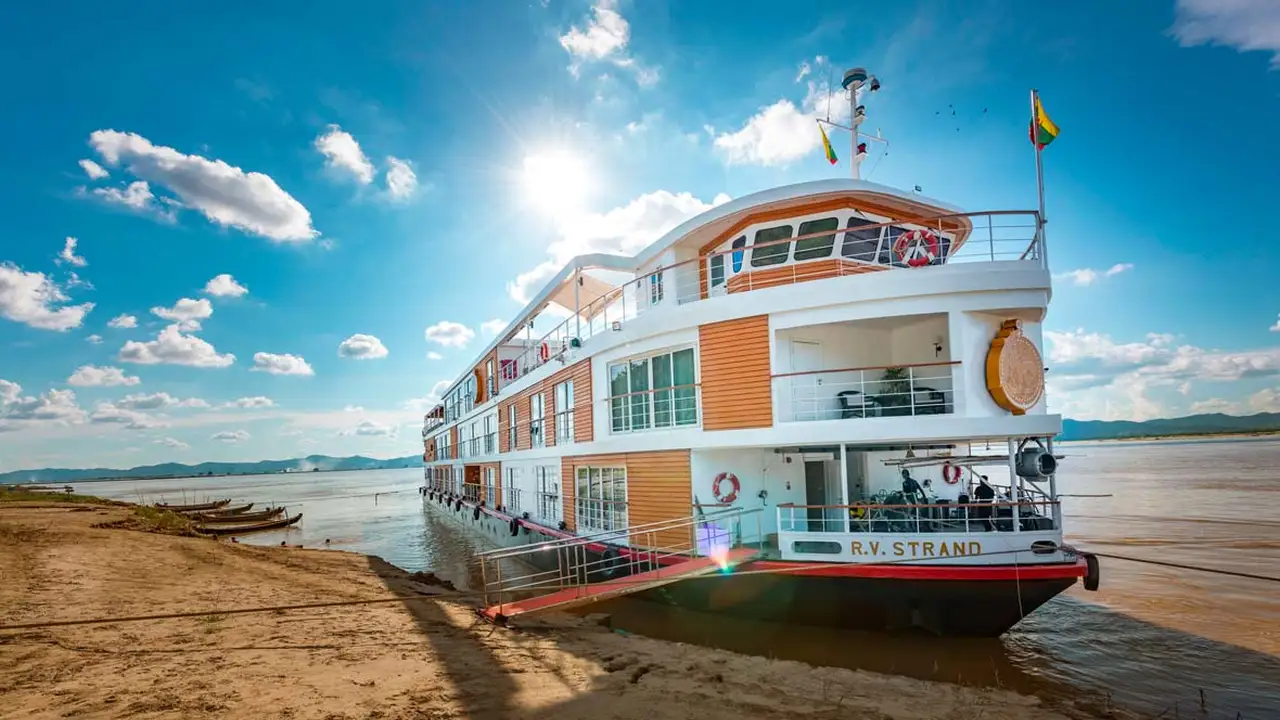
Senior Trip Wildlife Sanctuaries in Borneo
Experience senior trip wildlife encounters in Borneo. Witness orangutans and diverse ecosystems in their natural habitat.
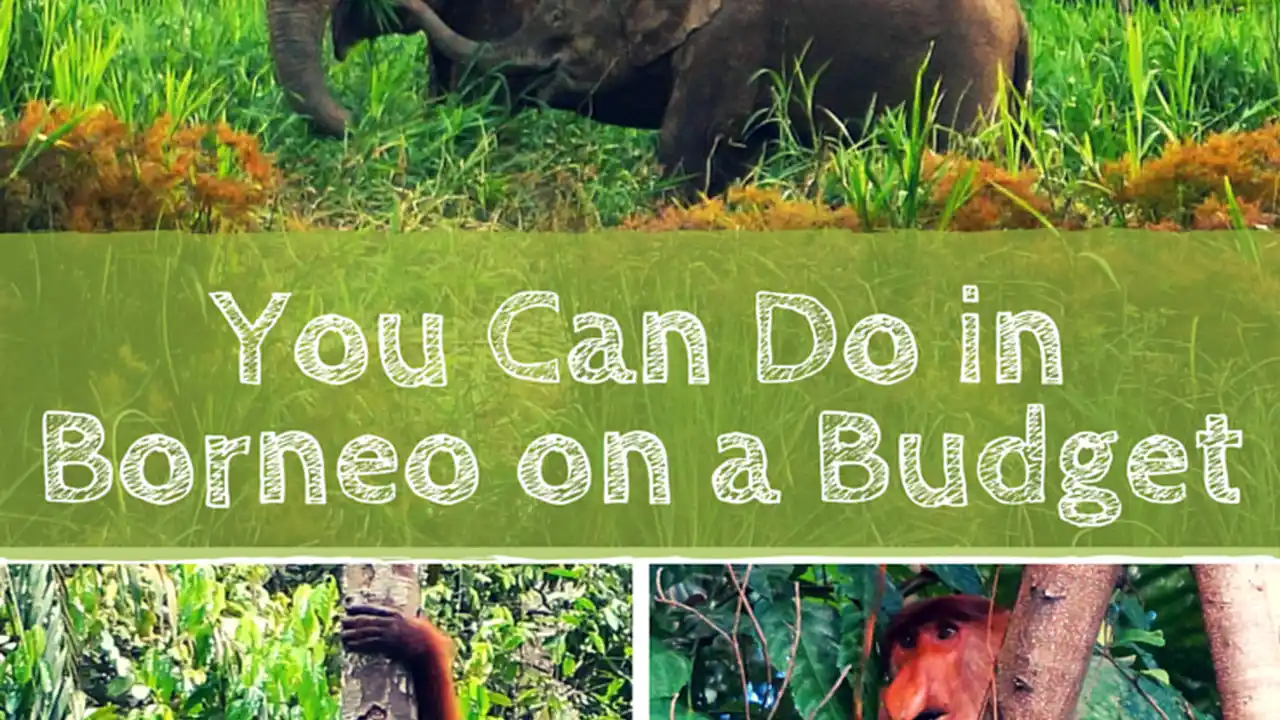
Experience senior trip wildlife encounters in Borneo. Witness orangutans and diverse ecosystems in their natural habitat.
Senior Trip Wildlife Sanctuaries in Borneo Unforgettable Encounters
Hey there, fellow adventurers! Are you dreaming of a senior trip that’s truly wild and unforgettable? If so, Borneo should be at the very top of your list. This incredible island, shared by Malaysia, Indonesia, and Brunei, is a biodiversity hotspot, home to some of the world's most unique and endangered species. We're talking about orangutans, pygmy elephants, proboscis monkeys, and a dazzling array of birds and insects. It's a place where you can truly connect with nature and witness wildlife in its natural habitat, far from the concrete jungle. Forget your typical beach holiday; Borneo offers an immersive, educational, and deeply moving experience that will stay with you long after you've returned home. Let's dive into what makes Borneo the ultimate destination for wildlife enthusiasts on their senior trip.
Why Borneo is the Ultimate Wildlife Destination for Senior Travelers
Borneo isn't just another pretty place; it's a living, breathing ecosystem that offers unparalleled opportunities for wildlife viewing. For senior travelers, it provides a comfortable yet adventurous way to explore some of the planet's most precious natural wonders. The focus here is on responsible tourism, ensuring that your visit contributes to conservation efforts. You'll find well-maintained sanctuaries and national parks with experienced guides who can enhance your understanding of the local flora and fauna. Plus, many of the tours are designed to be accessible, with options for various fitness levels. Imagine waking up to the sounds of the rainforest, spotting an orangutan swinging through the trees, or cruising down a river as proboscis monkeys leap from branch to branch. It's an experience that truly awakens the senses and offers a profound connection to the natural world.
Orangutan Encounters The Heart of Borneo's Wildlife
When you think of Borneo, orangutans often come to mind, and for good reason. These magnificent 'people of the forest' are critically endangered, and Borneo is one of the last places on Earth where you can see them in the wild or in semi-wild rehabilitation centers. Visiting these centers is not just about seeing an animal; it's about supporting vital conservation work. You'll learn about the threats they face, primarily habitat loss due to palm oil plantations, and how your visit helps fund their protection and rehabilitation.
Sepilok Orangutan Rehabilitation Centre Sabah Malaysia
Sepilok is perhaps the most famous orangutan sanctuary in Borneo, located in Sabah, Malaysian Borneo. It's a rehabilitation center for orphaned and injured orangutans, preparing them for a return to the wild. Visitors can observe feeding sessions from elevated platforms, which offer incredible photo opportunities without disturbing the animals. The center also has a nursery where younger orangutans learn essential survival skills. It's a truly heartwarming experience to see these intelligent creatures up close.
Semenggoh Wildlife Centre Sarawak Malaysia
Similar to Sepilok, Semenggoh in Sarawak, Malaysian Borneo, focuses on rehabilitating orangutans. It's known for its semi-wild orangutans who often return to the center for feeding times. This offers a more natural viewing experience as the orangutans are free to roam the surrounding forest. The guides here are excellent at providing insights into orangutan behavior and conservation.
Tanjung Puting National Park Central Kalimantan Indonesia
For a more immersive and adventurous orangutan experience, consider Tanjung Puting National Park in Indonesian Borneo (Kalimantan). Here, you can embark on a multi-day 'klotok' (traditional wooden boat) tour along the Sekonyer River, staying overnight on the boat. This allows for deeper penetration into the rainforest, with opportunities to see orangutans at various feeding stations and even spot wild ones. It's a truly unique and unforgettable way to experience their habitat.
Beyond Orangutans Discovering Borneo's Diverse Ecosystems
While orangutans are a major draw, Borneo's wildlife extends far beyond them. The island's rainforests, rivers, and caves are teeming with an incredible variety of life, offering endless opportunities for discovery.
Proboscis Monkeys and River Safaris Kinabatangan River Sabah
The Kinabatangan River in Sabah is a must-visit for any wildlife enthusiast. A river safari here is like stepping into a National Geographic documentary. You'll cruise along the riverbanks, spotting the unique proboscis monkeys with their distinctive long noses, often seen in large groups. You might also encounter pygmy elephants, crocodiles, monitor lizards, and a spectacular array of birdlife, including hornbills. Many lodges along the river offer comfortable accommodation and guided boat trips, making it an ideal spot for senior travelers.
Pygmy Elephants and Other Mammals Danum Valley Conservation Area Sabah
For a truly pristine rainforest experience, the Danum Valley Conservation Area in Sabah is unparalleled. This ancient rainforest is home to Borneo's pygmy elephants, clouded leopards, sun bears, and countless other species. Access is more restricted, often requiring stays at eco-lodges like the Borneo Rainforest Lodge, which offers guided treks and canopy walks. While sightings of some animals can be elusive, the sheer beauty and biodiversity of Danum Valley are breathtaking.
Birdwatching Paradise Tabin Wildlife Reserve Sabah
If you're a birdwatcher, Tabin Wildlife Reserve in Sabah is your paradise. It boasts an incredible diversity of bird species, including all eight species of Bornean hornbills. Beyond birds, you might also spot civets, deer, and even wild cats. The reserve offers various trails and observation points, making it a fantastic place for leisurely walks and wildlife photography.
Cave Exploration and Bat Spectacles Mulu National Park Sarawak
Mulu National Park in Sarawak is a UNESCO World Heritage Site renowned for its spectacular cave systems. Deer Cave, one of the largest cave passages in the world, is home to millions of bats. Every evening, at dusk, you can witness the incredible spectacle of these bats emerging from the cave in swirling formations, a truly mesmerizing sight. The park also offers canopy walks and jungle treks, catering to different levels of activity.
Planning Your Borneo Wildlife Trip Essential Considerations
To make your senior trip to Borneo as smooth and enjoyable as possible, here are a few key considerations:
Best Time to Visit Borneo's Wildlife Sanctuaries
Generally, the dry season (March to October) is considered the best time to visit Borneo for wildlife viewing, as animals are more active and easier to spot. However, the rainforest can experience rain at any time of year, so be prepared for occasional showers. The wet season (November to February) can offer lush landscapes and fewer tourists, but some activities might be affected by heavier rainfall.
Accommodation Options for Senior Travelers
Borneo offers a range of accommodation, from comfortable eco-lodges within national parks to more luxurious resorts in urban centers. Many lodges cater to senior travelers with accessible facilities and comfortable amenities. When booking, look for places that emphasize sustainable tourism and have good reviews regarding comfort and service.
Guided Tours and Experienced Guides
For the best wildlife experience, booking guided tours with experienced local guides is highly recommended. They possess invaluable knowledge of the local ecosystem, animal behavior, and the best spots for sightings. Many tour operators specialize in wildlife tours and can tailor itineraries to your interests and fitness levels.
Health and Safety Tips for Borneo Travel
Before your trip, consult your doctor about necessary vaccinations (e.g., Hepatitis A and B, Typhoid, Tetanus). Malaria risk exists in some remote areas, so discuss prophylaxis with your doctor. Pack insect repellent, light long-sleeved clothing to protect against mosquitoes, and comfortable walking shoes. Stay hydrated, especially in the humid climate. Always follow your guide's instructions, especially when in close proximity to wildlife.
Recommended Gear for Your Borneo Wildlife Adventure
Having the right gear can significantly enhance your wildlife viewing experience. Here are a few product recommendations, keeping in mind ease of use and portability for senior travelers:
Binoculars for Enhanced Viewing
A good pair of binoculars is absolutely essential for spotting wildlife, especially birds and animals high in the canopy. You don't need anything overly complex or heavy.
- Nikon Monarch 5 8x42 Binoculars: These are a fantastic all-rounder. They offer excellent light gathering for clear images, even in low light conditions (like the rainforest canopy), and an 8x magnification is perfect for stable viewing without too much shake. They're also relatively lightweight and durable.
- Celestron Outland X 10x42 Binoculars: A more budget-friendly option, these still provide good optical quality and a slightly higher 10x magnification for getting closer to distant subjects. They are waterproof and fog-proof, which is great for the humid Bornean environment.
- Usage Scenario: Perfect for spotting orangutans in the trees, proboscis monkeys across the river, or colorful birds hidden in the foliage. Keep them easily accessible in your daypack.
- Price Range: Nikon Monarch 5: $250-$300; Celestron Outland X: $80-$120.
Compact Digital Camera with Good Zoom
While phone cameras are great, a dedicated camera with optical zoom will give you much better results for wildlife photography, especially from a distance. Look for something easy to operate.
- Sony Cyber-shot RX100 VII: This is a premium compact camera with a surprisingly powerful 24-200mm equivalent zoom lens. It's small enough to fit in a pocket, yet delivers excellent image quality and fast autofocus. Ideal for those who want high-quality photos without carrying a bulky DSLR.
- Panasonic Lumix ZS80 (TZ95): A more affordable 'travel zoom' camera, it offers a massive 30x optical zoom (24-720mm equivalent) in a compact body. While image quality won't match the Sony, its zoom range is incredible for wildlife. It also has a good electronic viewfinder.
- Usage Scenario: Capturing clear photos of wildlife from a distance, whether it's a hornbill perched high up or a crocodile basking on a riverbank.
- Price Range: Sony RX100 VII: $1200-$1300; Panasonic Lumix ZS80: $350-$400.
Lightweight and Durable Daypack
You'll need a comfortable daypack to carry your essentials during excursions.
- Osprey Daylite Plus: This pack is known for its comfort, durability, and thoughtful organization. It's lightweight, has good ventilation, and enough space for water, snacks, binoculars, and a camera.
- Deuter Speed Lite 20: Another excellent lightweight option, designed for comfort during active pursuits. It's streamlined but still offers enough capacity for a day's worth of gear.
- Usage Scenario: Daily excursions into the rainforest, river safaris, and walks around sanctuaries.
- Price Range: Osprey Daylite Plus: $65-$80; Deuter Speed Lite 20: $70-$90.
Waterproof Dry Bag or Rain Cover
The rainforest means rain, and you'll want to protect your electronics and valuables.
- Sea to Summit Lightweight Dry Sack: These come in various sizes and are excellent for keeping your camera, phone, and other sensitive items completely dry inside your daypack.
- Rain Cover for Daypack: Many daypacks come with integrated rain covers, but if yours doesn't, a universal rain cover is a cheap and effective way to protect your entire pack.
- Usage Scenario: Essential for river safaris where splashes are common, and for unexpected downpours during jungle treks.
- Price Range: Sea to Summit Dry Sack (various sizes): $15-$40; Universal Rain Cover: $10-$20.
Insect Repellent with DEET or Picaridin
Mosquitoes are a reality in the rainforest, and protection is key.
- Sawyer Products Premium Permethrin Insect Repellent for Clothing: This is applied to clothing, tents, and gear, not skin, and provides long-lasting protection against mosquitoes and ticks.
- Repel 100 Insect Repellent (40% DEET): For direct skin application, a higher percentage of DEET offers longer protection. Apply sparingly and follow instructions.
- Usage Scenario: Apply before heading out for any outdoor activity, especially at dawn and dusk.
- Price Range: Sawyer Permethrin: $10-$15; Repel 100: $8-$12.
Making a Difference Responsible Tourism in Borneo
Your senior trip to Borneo can be more than just a vacation; it can be an opportunity to contribute to vital conservation efforts. By choosing reputable tour operators and eco-lodges that prioritize sustainability and community involvement, you're directly supporting the protection of Borneo's incredible wildlife and their habitats. Look for certifications or clear statements about their conservation practices. Avoid any activities that involve direct contact with wild animals or exploitation. Remember, every dollar you spend responsibly helps ensure that future generations can also experience the magic of Borneo's rainforests and its amazing inhabitants. It's a chance to leave a positive footprint and be part of the solution for a healthier planet.
So, are you ready to embark on the wildlife adventure of a lifetime? Borneo awaits with its lush rainforests, incredible creatures, and unforgettable experiences. It's a journey that promises not just sights, but profound insights into the delicate balance of nature and our role in protecting it. Get ready to be amazed!
:max_bytes(150000):strip_icc()/277019-baked-pork-chops-with-cream-of-mushroom-soup-DDMFS-beauty-4x3-BG-7505-5762b731cf30447d9cbbbbbf387beafa.jpg)