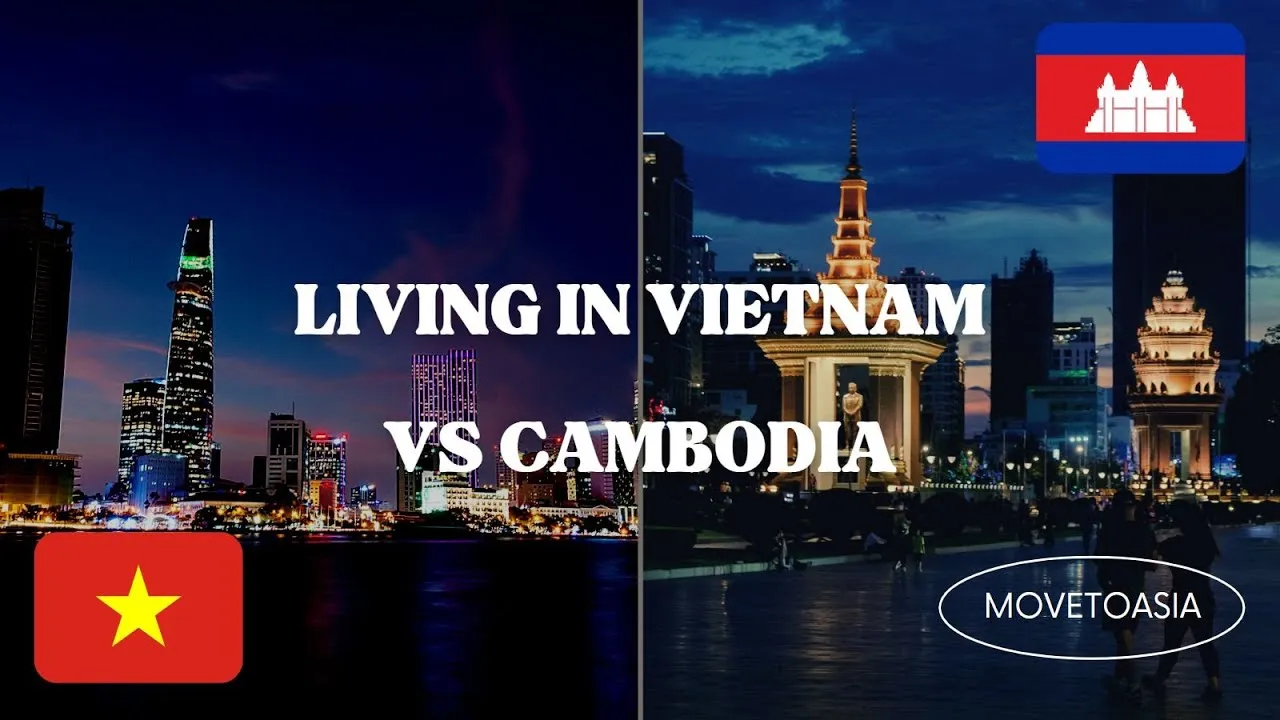
Decide between Vietnam and Cambodia for your senior trip. Compare cultural experiences, historical sites, and natural beauty.
Decide between Vietnam and Cambodia for your senior trip. Compare cultural experiences, historical sites, and natural beauty.
Comparing Vietnam vs Cambodia for Senior Trips
Vietnam vs Cambodia Senior Trip Overview
So, you're thinking about a senior trip to Southeast Asia, and Vietnam and Cambodia are on your radar. Great choices! Both countries offer incredible experiences, rich history, stunning landscapes, and delicious food. But they also have their unique vibes, and what might be perfect for one traveler might not be for another. This guide is going to break down everything you need to know to help you pick the best destination for your unforgettable senior adventure.
We'll dive deep into cultural experiences, historical sites, natural beauty, food scenes, accommodation options, transportation, safety, and even some specific product recommendations that can enhance your trip. Whether you're looking for bustling city life, serene ancient temples, pristine beaches, or lush rice paddies, both Vietnam and Cambodia have something special to offer. Let's get started!
Cultural Experiences Vietnam vs Cambodia
When it comes to culture, both Vietnam and Cambodia are incredibly rich, but they offer different flavors. Vietnam's culture is deeply influenced by its long history, including Chinese and French colonial periods. You'll find a vibrant mix of traditions, from ancient imperial cities to modern art scenes.
Cambodia, on the other hand, is heavily shaped by its Khmer heritage, with the magnificent Angkor Wat being the pinnacle of its cultural identity. While both countries are predominantly Buddhist, the expressions of their faith and daily life can feel distinct.
In Vietnam, you can immerse yourself in the bustling street life of Hanoi or Ho Chi Minh City, where ancient traditions blend seamlessly with modern energy. Think about exploring the Old Quarter in Hanoi, with its narrow streets, traditional craft shops, and street food vendors. Or perhaps a visit to the Imperial City in Hue, a UNESCO World Heritage site that was once the capital of Vietnam's Nguyen Dynasty. You'll see traditional water puppet shows, learn about Vietnamese martial arts, and witness the daily rituals at local pagodas.
Cambodia's cultural heart beats strongest around the Angkor complex. Beyond the temples, you can explore the vibrant art scene in Phnom Penh, visit traditional villages, and learn about the country's resilience and rebirth. The Apsara dance, a traditional Khmer performance, is a must-see, telling stories through intricate movements and elaborate costumes. You can also participate in cooking classes to learn about Khmer cuisine, which often uses fresh herbs and spices.
For a deeper dive into local life, consider staying at a homestay in either country. In Vietnam, you might find yourself in a village in the Mekong Delta, learning about rice farming or fishing. In Cambodia, a homestay near Battambang could offer insights into rural Khmer life. These experiences provide an authentic connection to the local culture that you won't get from a typical hotel stay.
Historical Sites Vietnam vs Cambodia
History buffs, you're in for a treat in both Vietnam and Cambodia. Each country has a compelling and often poignant past that is reflected in its historical sites.
Vietnam's history is vast and complex, spanning thousands of years. You can explore the ancient capital of Hoa Lu in Ninh Binh, dating back to the 10th century. The Cu Chi Tunnels near Ho Chi Minh City offer a sobering look into the Vietnam War, providing a tangible sense of the ingenuity and hardship faced during that period. The Ho Chi Minh Mausoleum in Hanoi is another significant site, honoring the country's revolutionary leader. Don't forget the ancient town of Hoi An, a UNESCO World Heritage site, with its well-preserved architecture that reflects a blend of indigenous and foreign influences from centuries of trade.
Cambodia's historical narrative is dominated by the Khmer Empire and, more recently, the tragic period of the Khmer Rouge. The Angkor Archaeological Park, home to Angkor Wat, Angkor Thom, and countless other temples, is an absolute marvel and a testament to the grandeur of the Khmer Empire. It's a place where you can spend days exploring intricate carvings, towering structures, and serene courtyards. Beyond Angkor, the Tuol Sleng Genocide Museum and the Killing Fields in Phnom Penh offer a powerful and necessary, albeit difficult, insight into Cambodia's recent past. These sites are crucial for understanding the country's journey and resilience.
When visiting historical sites, especially temples, remember to dress respectfully. Shoulders and knees should be covered. It's also a good idea to hire a local guide. They can provide invaluable context and stories that bring these ancient stones and somber memorials to life. For example, a guide at Angkor Wat can explain the intricate Hindu mythology depicted in the bas-reliefs, making your visit much more meaningful.
Natural Beauty Vietnam vs Cambodia
Both Vietnam and Cambodia boast breathtaking natural landscapes, but they offer different types of beauty.
Vietnam is famous for its dramatic karst landscapes, particularly in Halong Bay, a UNESCO World Heritage site. Imagine thousands of limestone islands rising majestically from emerald waters – it's truly a sight to behold. Further north, Sapa offers stunning terraced rice fields and opportunities for trekking through ethnic minority villages. The Mekong Delta in the south provides a glimpse into rural life along the mighty Mekong River, with its floating markets and lush fruit orchards. Vietnam also has beautiful coastlines, like those in Da Nang and Nha Trang, perfect for relaxing on the beach.
Cambodia's natural beauty is often more subtle but equally captivating. Beyond the temples, you'll find pristine beaches on islands like Koh Rong and Koh Rong Samloem, offering a quieter, more laid-back beach experience than some of Vietnam's more developed coastal areas. The Cardamom Mountains in the southwest are home to dense rainforests, waterfalls, and diverse wildlife, offering opportunities for eco-tourism and trekking. Tonlé Sap Lake, Southeast Asia's largest freshwater lake, is another natural wonder, with its unique ecosystem and floating villages that adapt to the changing water levels throughout the year.
For those who love the outdoors, both countries offer fantastic opportunities for exploration. In Vietnam, you can kayak in Halong Bay, trek in Sapa, or cycle through the countryside near Hoi An. In Cambodia, you can go island hopping, explore caves, or even take a boat trip on Tonlé Sap Lake to see the unique floating communities. Consider bringing a good pair of walking shoes or hiking sandals, especially if you plan on exploring temples or trekking.
Food Scene Vietnam vs Cambodia
Prepare your taste buds! Both Vietnam and Cambodia offer incredible culinary journeys, each with its distinct flavors and specialties.
Vietnamese cuisine is renowned worldwide for its freshness, balance of flavors, and use of fresh herbs. Think about the iconic 'Pho' (noodle soup), 'Banh Mi' (Vietnamese baguette sandwich), and 'Goi Cuon' (fresh spring rolls). Street food is a huge part of the Vietnamese experience, and you'll find delicious and affordable options on almost every corner. Each region has its own specialties too; for example, Hue is famous for its imperial cuisine, while Ho Chi Minh City offers a vibrant mix of southern dishes. Don't miss out on 'Ca Phe Sua Da' (Vietnamese iced coffee with condensed milk) – it's a revelation!
Cambodian cuisine, often referred to as Khmer cuisine, shares some similarities with its Thai and Vietnamese neighbors but has its own unique identity. It tends to be less spicy than Thai food and often uses a fermented fish paste called 'Prahok' for a distinctive umami flavor. Key dishes include 'Amok' (a creamy, mild curry often made with fish, steamed in banana leaves), 'Lok Lak' (stir-fried beef with a peppery dipping sauce), and 'Khmer Red Curry'. You'll also find plenty of fresh seafood, especially in coastal areas like Sihanoukville.
For the adventurous eater, both countries offer fantastic cooking classes where you can learn to prepare traditional dishes. This is a great way to dive deeper into the local culture and bring a piece of your trip home with you. Many markets also offer food tours, allowing you to sample a wide variety of local delicacies with an expert guide.
When eating street food, look for stalls that are busy with locals – that's usually a good sign of freshness and quality. And don't be afraid to try new things! You might discover your new favorite dish.
Accommodation Options Vietnam vs Cambodia
Whether you're looking for luxury, mid-range comfort, or budget-friendly stays, both Vietnam and Cambodia have a wide array of accommodation options to suit every senior traveler's preference.
In Vietnam, you'll find everything from opulent five-star hotels in major cities like Hanoi and Ho Chi Minh City to charming boutique hotels in Hoi An and comfortable guesthouses in smaller towns. For a unique experience, consider a stay on a traditional junk boat in Halong Bay, offering overnight cruises with stunning views. Homestays are also popular, especially in rural areas like the Mekong Delta or Sapa, providing an authentic cultural immersion. Many hotels cater to international tourists, offering amenities like swimming pools, spas, and English-speaking staff.
Cambodia also offers a range of choices, with a strong emphasis on boutique hotels and guesthouses, particularly in Siem Reap (near Angkor Wat) and Phnom Penh. You can find luxurious resorts with stunning pools and gardens, as well as charming, family-run guesthouses that offer a more personal touch. On the islands like Koh Rong, you'll find everything from rustic bungalows to more upscale beachfront resorts. While there are fewer large chain hotels compared to Vietnam, the quality of service and unique charm of Cambodian accommodations often make up for it.
When choosing accommodation, consider your priorities. Do you want to be in the heart of the action, or prefer a quieter retreat? Are amenities like a pool or spa important to you? Reading recent reviews from other senior travelers can be very helpful in making your decision. Many hotels in both countries are also becoming more accessible, offering elevators and rooms designed for guests with mobility considerations.
Transportation Vietnam vs Cambodia
Getting around in Vietnam and Cambodia is relatively easy and affordable, with various options to suit different travel styles and budgets.
In Vietnam, domestic flights are efficient for covering long distances between major cities like Hanoi, Da Nang, and Ho Chi Minh City. The Reunification Express train offers a scenic way to travel the length of the country, though it can be slow. Buses are plentiful and connect most towns and cities. Within cities, taxis, ride-hailing apps like Grab (very popular and convenient), and 'xe om' (motorbike taxis) are readily available. For shorter distances, cyclos (pedicabs) offer a charming, albeit slower, way to see the sights, especially in places like Hoi An.
Cambodia's transportation infrastructure is developing. Domestic flights connect Phnom Penh, Siem Reap, and Sihanoukville. Buses are the most common way to travel between cities. For shorter distances, 'tuk-tuks' (motorized rickshaws) are ubiquitous and a fun way to get around, especially in Siem Reap and Phnom Penh. Taxis are also available. For exploring the Angkor complex, hiring a tuk-tuk driver for the day is a popular and cost-effective option.
When using taxis or tuk-tuks, it's always a good idea to agree on a price beforehand or ensure the meter is used. Ride-hailing apps like Grab in Vietnam and PassApp in Cambodia offer transparent pricing and are generally very reliable. If you're planning to travel extensively, consider purchasing a local SIM card upon arrival; this will make using navigation apps and ride-hailing services much easier.
Safety and Health Vietnam vs Cambodia
Safety and health are paramount for any senior trip, and both Vietnam and Cambodia are generally safe destinations for tourists, but it's always wise to be prepared.
Common sense precautions apply in both countries: be aware of your surroundings, especially in crowded areas, and keep an eye on your belongings to prevent petty theft. Avoid walking alone at night in poorly lit areas. Traffic can be chaotic, particularly in major cities, so exercise caution when crossing streets. Always use reputable transportation services.
Regarding health, consult your doctor well in advance of your trip about recommended vaccinations and any necessary preventative medications. Hepatitis A and B, Typhoid, and Tetanus are commonly recommended. Malaria risk varies by region, so discuss this with your doctor. Carry a basic first-aid kit with essentials like pain relievers, antiseptic wipes, band-aids, and any personal medications you require. It's also wise to bring insect repellent, especially if you plan to spend time outdoors or in rural areas.
Tap water is generally not safe to drink in either country, so stick to bottled water. Be mindful of ice in drinks and uncooked foods, especially from street vendors, unless you're confident about their hygiene practices. Eating at busy local eateries is often a good indicator of fresh food. If you have dietary restrictions or allergies, learn a few key phrases in Vietnamese or Khmer to communicate your needs.
Travel insurance is highly recommended for both destinations. It should cover medical emergencies, trip cancellations, and lost luggage. We'll discuss specific product recommendations for travel insurance shortly.
Recommended Products for Your Senior Trip
To make your senior trip to Vietnam or Cambodia even smoother and more enjoyable, here are some specific product recommendations, including comparisons and pricing.
Travel Insurance Providers
Travel insurance is non-negotiable for a senior trip to Southeast Asia. It provides peace of mind for medical emergencies, trip cancellations, lost luggage, and more. Here are a few top providers popular with senior travelers:
* Allianz Travel Insurance:
* Overview: Allianz is a well-known global provider offering various plans, including those specifically designed for seniors or with higher medical coverage limits. They have good customer service and a strong reputation.
* Key Features: Plans often include emergency medical and dental, emergency medical transportation, trip cancellation/interruption, baggage loss, and 24/7 assistance. Some plans offer pre-existing condition waivers if purchased early.
* Pros: Reputable, good customer service, wide range of plans, often includes rental car collision coverage.
* Cons: Can be slightly more expensive than budget options; some plans require purchase within a short window of your initial trip deposit for full benefits.
* Typical Price Range: For a 2-week trip for a senior, expect to pay anywhere from $150 - $500+, depending on age, coverage level, and pre-existing conditions.
* World Nomads:
* Overview: While often marketed to adventurous younger travelers, World Nomads offers solid coverage that can be suitable for active seniors. They are known for their flexibility and coverage for a wide range of activities.
* Key Features: Emergency medical, evacuation, trip cancellation, baggage, and coverage for over 200 adventure activities. They also offer good customer support and an easy online claims process.
* Pros: Flexible plans, good for active travelers, easy to buy and extend online, strong customer support.
* Cons: May not be the cheapest option for basic coverage; some higher-risk activities might require an upgrade.
* Typical Price Range: For a 2-week trip, prices can range from $100 - $350+, depending on the plan (Standard vs. Explorer) and age.
* Generali Global Assistance (formerly CSA Travel Protection):
* Overview: Generali offers comprehensive plans with good benefits, often at competitive prices. They have a good reputation for customer service and claims processing.
* Key Features: Emergency medical, emergency assistance, trip cancellation/interruption, baggage, and travel delay. They also offer optional upgrades like 'Cancel for Any Reason' (CFAR) and 'Rental Car Damage Protector'.
* Pros: Competitive pricing, good coverage for common travel issues, reliable customer service.
* Cons: CFAR option can be expensive and has strict purchase deadlines.
* Typical Price Range: For a 2-week trip, expect to pay around $120 - $400+, depending on the plan and age.
Comparison: For most senior travelers, Allianz or Generali might offer more tailored plans with higher medical limits and better pre-existing condition waivers. World Nomads is excellent if you plan on more adventurous activities. Always get multiple quotes and read the policy details carefully to ensure it meets your specific needs, especially regarding medical coverage and pre-existing conditions.
Portable Water Filter Bottle
Staying hydrated is crucial, and a portable water filter bottle can save you money and reduce plastic waste while ensuring you have safe drinking water.
* LifeStraw Go Water Filter Bottle:
* Overview: A popular choice, the LifeStraw Go bottle integrates a two-stage filter (hollow fiber membrane and activated carbon) to remove bacteria, parasites, microplastics, and reduce chlorine and odors.
* Use Case: Ideal for refilling from tap water in hotels, guesthouses, or even less reliable sources if absolutely necessary. Great for day trips and excursions.
* Pros: Highly effective filtration, easy to use, durable, good capacity (22 oz/650 ml).
* Cons: Filter needs replacement after a certain volume (around 1,000 liters for the main filter); can be a bit bulky.
* Typical Price: $35 - $50 USD.
* Grayl GeoPress Purifier Bottle:
* Overview: The Grayl GeoPress is a more robust purifier that removes viruses, bacteria, protozoa, and filters particulates, chemicals, and heavy metals. It works by pressing the inner cup into the outer cup.
* Use Case: Excellent for more adventurous travelers who might need to purify water from rivers or lakes, but also perfect for tap water in urban settings. Provides a higher level of purification.
* Pros: Removes viruses (a key differentiator), fast purification, durable construction, good capacity (24 oz/710 ml).
* Cons: Heavier and bulkier than LifeStraw; filter cartridges are more expensive and need replacement more frequently (around 350 uses).
* Typical Price: $90 - $100 USD.
Comparison: For general travel and tap water purification, the LifeStraw Go is a great, affordable option. If you want the highest level of protection, including virus removal, and don't mind the higher price and weight, the Grayl GeoPress is superior. Both are excellent for reducing reliance on single-use plastic bottles.
Comfortable Walking Shoes or Sandals
You'll be doing a lot of walking, especially at historical sites like Angkor Wat or exploring city streets. Comfort is key.
* Skechers Go Walk Series (for women and men):
* Overview: Skechers Go Walk shoes are known for their lightweight design, flexible soles, and highly cushioned insoles (often Goga Mat or Ultra Go). They are designed for comfort during extended periods of walking.
* Use Case: Perfect for city exploration, temple visits, and general sightseeing. They are breathable and easy to slip on and off.
* Pros: Extremely comfortable, lightweight, breathable, wide range of styles, often machine washable.
* Cons: Not suitable for serious hiking or very uneven terrain; some styles might lack arch support for certain foot types.
* Typical Price: $50 - $80 USD.
* Keen Newport H2 Sandals (for women and men):
* Overview: These hybrid sandals offer the breathability of a sandal with the toe protection of a shoe. They are durable, water-friendly, and provide good traction.
* Use Case: Excellent for exploring temples (easy to slip off), light walks, boat trips, and any activity where you might encounter water. Good for uneven terrain.
* Pros: Excellent toe protection, good arch support, durable, water-friendly, good grip.
* Cons: Can be a bit bulky; some people might find the closed-toe design less breathable than open sandals.
* Typical Price: $100 - $120 USD.
Comparison: For pure comfort on flat surfaces and city walking, Skechers Go Walk are hard to beat. If you anticipate more varied terrain, light hiking, or water activities, the Keen Newport H2 sandals offer better protection and versatility. Consider bringing both if space allows, or choose based on your primary activities.
Portable Power Bank
Keeping your phone and other devices charged is essential for navigation, photos, and emergencies.
* Anker PowerCore 10000:
* Overview: A compact and lightweight power bank with a 10,000mAh capacity, enough to charge most smartphones 2-3 times. Anker is a highly reputable brand for charging accessories.
* Use Case: Daily charging of smartphones, earbuds, and small electronics while on the go. Fits easily in a daypack or purse.
* Pros: Very portable, reliable, fast charging (PowerIQ technology), durable build quality.
* Cons: Only one USB-A output port; no USB-C PD for faster charging of larger devices.
* Typical Price: $25 - $35 USD.
* Anker PowerCore III Fusion 5K:
* Overview: This is a 2-in-1 device: a 5,000mAh portable charger and a wall charger. It has foldable prongs for easy packing.
* Use Case: Ideal for minimalist travelers who want to reduce the number of items they carry. Charge your phone on the go, then plug it into the wall to recharge both the power bank and your device simultaneously.
* Pros: Dual functionality (power bank + wall charger), compact, convenient for overnight charging.
* Cons: Lower capacity than the PowerCore 10000; only one USB-A port.
* Typical Price: $40 - $50 USD.
Comparison: If you need maximum charges for multiple devices, the Anker PowerCore 10000 is the better choice. If you prioritize portability and want to combine your wall charger and power bank into one device, the PowerCore III Fusion 5K is incredibly convenient. Both are reliable and essential for modern travel.
Lightweight Daypack
A good daypack is essential for carrying water, snacks, a camera, and souvenirs during your daily excursions.
* Osprey Daylite Plus:
* Overview: A versatile and comfortable 20-liter daypack known for its quality construction and thoughtful features. It has a main compartment, front pocket with organization, and side mesh pockets for water bottles.
* Use Case: Perfect for daily sightseeing, light hikes, and carrying essentials for a full day out. Can also attach to larger Osprey travel packs.
* Pros: Comfortable padded back panel and shoulder straps, durable materials, good organization, hydration reservoir compatible.
* Cons: A bit more expensive than basic daypacks; might be overkill if you only need to carry a water bottle.
* Typical Price: $65 - $80 USD.
* Matador FreeRain24 2.0 Packable Backpack:
* Overview: An ultralight, waterproof, and highly packable 24-liter backpack that folds down to the size of a small pouch. Made from durable ripstop nylon.
* Use Case: Ideal for travelers who want a full-sized daypack only when needed, and prefer to pack it away when not in use. Great for unexpected shopping trips or excursions.
* Pros: Extremely lightweight and packable, waterproof, surprisingly durable for its weight, good capacity.
* Cons: Less structured and padded than a traditional daypack; might not be as comfortable for very heavy loads.
* Typical Price: $70 - $80 USD.
Comparison: If comfort and structure are your top priorities for daily use, the Osprey Daylite Plus is an excellent choice. If you need a daypack that takes up minimal space in your luggage and can be pulled out only when needed, the Matador FreeRain24 is a fantastic, albeit less structured, option. Both are great for keeping your hands free while exploring.
Final Thoughts on Your Senior Trip
Choosing between Vietnam and Cambodia for your senior trip really comes down to your personal preferences. If you're drawn to a more diverse landscape, bustling cities, and a wider range of historical periods, Vietnam might be your ideal destination. Its vibrant energy, incredible food, and varied scenery from north to south offer a comprehensive Southeast Asian experience.
If your heart is set on ancient wonders, a more laid-back pace, and a deeply spiritual journey centered around the magnificent Angkor temples, then Cambodia will undoubtedly captivate you. Its resilience and the warmth of its people, combined with stunning natural beauty, make for a profoundly moving trip.
Many travelers even combine both countries into one longer trip, as they are geographically close and well-connected. This allows you to experience the best of both worlds: the dynamic culture and diverse landscapes of Vietnam, followed by the awe-inspiring historical grandeur and serene beauty of Cambodia.
No matter which you choose, or if you decide to visit both, a senior trip to Vietnam and Cambodia promises to be an enriching, memorable, and truly unforgettable adventure. Enjoy the planning, and even more, enjoy the journey!
:max_bytes(150000):strip_icc()/277019-baked-pork-chops-with-cream-of-mushroom-soup-DDMFS-beauty-4x3-BG-7505-5762b731cf30447d9cbbbbbf387beafa.jpg)