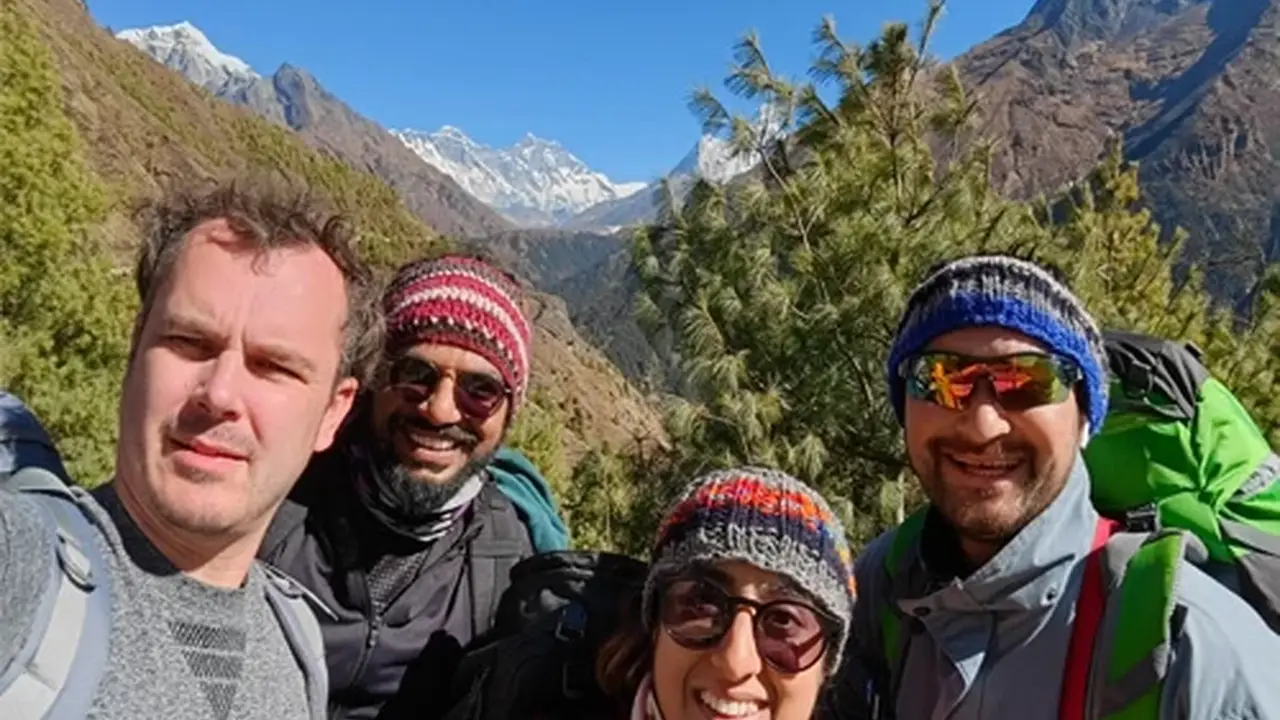
Senior Trip Trekking Experiences in Nepal
Embark on senior trip trekking experiences in Nepal. Discover majestic Himalayas and rich cultural encounters.
Embark on senior trip trekking experiences in Nepal. Discover majestic Himalayas and rich cultural encounters.
Senior Trip Trekking Experiences in Nepal Discover Majestic Himalayas and Rich Cultural Encounters
Nepal, a landlocked country nestled in the Himalayas, is a dream destination for trekkers worldwide. Its diverse landscapes, from the world's highest peaks to lush lowlands, offer unparalleled trekking experiences. For senior travelers, Nepal presents a unique opportunity to combine physical activity with profound cultural immersion. This guide will delve into the best trekking experiences for seniors in Nepal, offering insights into suitable trails, essential gear, safety considerations, and cultural nuances.
Why Nepal for Senior Trekking Unveiling the Appeal
Nepal's allure for senior trekkers lies in its variety. While some trails challenge even the most seasoned mountaineers, many are accessible and enjoyable for those seeking a more moderate adventure. The country's well-established trekking infrastructure, including teahouses and local guides, makes it relatively easy to plan and execute a trip. Moreover, the warm hospitality of the Nepali people and the rich tapestry of their culture add an invaluable dimension to the trekking experience. Imagine waking up to panoramic views of snow-capped peaks, sharing a cup of yak butter tea with a local family, and witnessing ancient Buddhist monasteries perched precariously on cliffsides. These are the moments that define a senior trekking trip in Nepal.
Choosing Your Trek Best Trails for Senior Travelers
Selecting the right trek is crucial for an enjoyable and safe senior trip. Here are some of the most recommended trails, keeping in mind varying fitness levels and interests:
Everest Base Camp Trek A Modified Approach for Seniors
The Everest Base Camp (EBC) trek is iconic, but the traditional route can be demanding. For seniors, a modified approach is highly recommended. This often involves a longer itinerary with more acclimatization days, shorter daily walking distances, and potentially helicopter returns from Gorak Shep or Lukla to avoid the strenuous descent. The key is to prioritize slow and steady progress, allowing your body ample time to adjust to the altitude. The reward is unparalleled views of Mount Everest, Lhotse, Nuptse, and Ama Dablam, along with a deep dive into Sherpa culture.
Annapurna Base Camp Trek Scenic Beauty and Cultural Richness
The Annapurna Base Camp (ABC) trek is another popular choice, often considered less strenuous than EBC. It offers incredible diversity, from lush rhododendron forests and terraced fields to high alpine landscapes. The trail passes through charming Gurung and Magar villages, providing ample opportunities for cultural interaction. The 'Annapurna Sanctuary' at the base camp, surrounded by towering peaks like Annapurna I, Machhapuchhre (Fishtail), and Hiunchuli, is truly breathtaking. For seniors, consider adding extra days to the itinerary, especially around Ghorepani and Poon Hill for sunrise views, and take advantage of the natural hot springs at Jhinu Danda.
Poon Hill Trek Short and Sweet Panoramic Views
If time or physical limitations are a concern, the Poon Hill trek is an excellent option. This shorter trek, typically 3-5 days, offers some of the most spectacular sunrise views of the Annapurna and Dhaulagiri ranges. The trail is well-maintained and involves moderate ascents and descents. It's perfect for seniors who want a taste of Himalayan trekking without committing to a longer, more challenging expedition. The cultural experience in Gurung villages like Ghandruk is also a highlight.
Langtang Valley Trek Serenity and Tibetan Culture
The Langtang Valley trek, often called the 'Valley of Glaciers,' offers a more serene and less crowded experience compared to Annapurna or Everest. It's known for its beautiful forests, alpine meadows, and strong Tibetan cultural influence. The trek was significantly affected by the 2015 earthquake but has largely recovered, with rebuilt teahouses and trails. For seniors, the gradual ascent and stunning scenery make it a rewarding choice. You'll encounter yak pastures, ancient monasteries, and friendly Tamang people.
Mardi Himal Trek A Hidden Gem with Stunning Views
The Mardi Himal trek is a relatively new and less crowded option that offers spectacular close-up views of Machhapuchhre (Fishtail), Mardi Himal, and Annapurna South. It's a moderate trek, typically 5-7 days, with well-defined trails and comfortable teahouses. The ascent to Mardi Himal Base Camp is steep but rewarding. This trek is ideal for seniors looking for a quieter experience with incredible mountain vistas without the high altitude challenges of EBC or ABC.
Essential Gear for Senior Trekkers Packing Smart for Comfort and Safety
Proper gear is paramount for a comfortable and safe trekking experience. Here's a breakdown of essential items, with specific product recommendations:
Footwear The Foundation of Your Trek
Your boots are arguably the most important piece of gear. Look for lightweight, waterproof, and breathable hiking boots with good ankle support and excellent grip. Break them in thoroughly before your trip to avoid blisters.
- Product Recommendation: Salomon X Ultra 4 Mid GTX Hiking Boots
- Use Case: Day hikes, multi-day treks on varied terrain, wet conditions.
- Comparison: Lighter and more flexible than traditional heavy-duty trekking boots, offering a good balance of support and comfort. The Gore-Tex lining ensures waterproofing.
- Price: Approximately $160-$180 USD.
- Alternative: Merrell Moab 3 Mid Waterproof Hiking Boots
- Use Case: Similar to Salomon, excellent for moderate trails, known for out-of-the-box comfort.
- Comparison: Often slightly more affordable, very popular for their comfort and versatility.
- Price: Approximately $130-$150 USD.
Layering System Adapting to Mountain Weather
Mountain weather can change rapidly. A layering system allows you to adjust to varying temperatures and conditions. This typically includes a base layer (moisture-wicking), a mid-layer (insulation), and an outer layer (waterproof and windproof).
- Base Layer Product Recommendation: Smartwool Merino 150 Base Layer Long Sleeve
- Use Case: All-day wear for temperature regulation, moisture-wicking, odor resistance.
- Comparison: Merino wool is superior to synthetic for odor control and warmth-to-weight ratio, especially when damp.
- Price: Approximately $80-$100 USD.
- Mid Layer Product Recommendation: Patagonia Better Sweater Fleece Jacket
- Use Case: Warmth in cool conditions, comfortable for teahouse evenings.
- Comparison: Durable, stylish, and provides excellent insulation.
- Price: Approximately $120-$140 USD.
- Outer Layer Product Recommendation: Arc'teryx Beta LT Jacket
- Use Case: Protection from rain and wind, lightweight and packable.
- Comparison: High-end, extremely durable Gore-Tex Pro shell, offering superior weather protection and breathability.
- Price: Approximately $400-$500 USD.
- Alternative Outer Layer: Marmot PreCip Eco Jacket
- Use Case: More budget-friendly waterproof and windproof option for general trekking.
- Comparison: Good performance for its price point, made from recycled materials.
- Price: Approximately $100-$120 USD.
Backpack Carrying Your Essentials
A comfortable backpack is essential. For senior trekkers, consider hiring a porter for heavier items, allowing you to carry a smaller daypack with essentials like water, snacks, and a camera.
- Daypack Product Recommendation: Osprey Talon 22 (Men's) / Tempest 20 (Women's)
- Use Case: Carrying daily essentials, comfortable for long hours on the trail.
- Comparison: Excellent ventilation, comfortable harness system, and practical pockets.
- Price: Approximately $120-$140 USD.
Trekking Poles Stability and Support
Trekking poles are highly recommended for seniors. They provide stability, reduce strain on knees, and aid balance on uneven terrain.
- Product Recommendation: Black Diamond Trail Ergo Cork Trekking Poles
- Use Case: All-around trekking, especially on descents and uneven trails.
- Comparison: Cork grips are comfortable and absorb sweat, flick-lock adjustments are reliable.
- Price: Approximately $120-$140 USD per pair.
- Alternative: Leki Makalu Lite Cor-Tec Trekking Poles
- Use Case: Lightweight option for those prioritizing minimal weight.
- Comparison: Known for their durability and comfortable Aergon Cor-Tec grips.
- Price: Approximately $150-$170 USD per pair.
Sleeping Bag Warmth in Teahouses
While teahouses provide blankets, a personal sleeping bag (especially a lightweight down one) offers extra warmth and hygiene. A comfort rating of 0°C to -5°C (32°F to 23°F) is generally sufficient for most popular treks during peak seasons.
- Product Recommendation: Sea to Summit Spark SP II Sleeping Bag
- Use Case: Lightweight and packable warmth for teahouse trekking.
- Comparison: High-quality down, excellent warmth-to-weight ratio, compact.
- Price: Approximately $300-$350 USD.
- Alternative: REI Co-op Magma 15 Sleeping Bag
- Use Case: More affordable down option with good warmth.
- Comparison: Good value for money, reliable performance.
- Price: Approximately $250-$300 USD.
Water Purification Staying Hydrated Safely
Access to safe drinking water is crucial. While bottled water is available, it's environmentally unfriendly. Consider a water filter or purification tablets.
- Product Recommendation: Sawyer Squeeze Water Filter System
- Use Case: Filtering water from natural sources, lightweight and effective.
- Comparison: Highly reliable, easy to use, and filters out bacteria and protozoa.
- Price: Approximately $30-$40 USD.
- Alternative: Katadyn BeFree Water Filter
- Use Case: Similar to Sawyer, often preferred for its faster flow rate.
- Comparison: Very lightweight and compact, good for quick hydration.
- Price: Approximately $40-$50 USD.
Headlamp Navigating in the Dark
Essential for early morning starts (like Poon Hill sunrise) or navigating teahouses at night.
- Product Recommendation: Petzl Actik Core Headlamp
- Use Case: General trekking, teahouse use, rechargeable battery.
- Comparison: Bright, comfortable, and the rechargeable battery is convenient.
- Price: Approximately $70-$80 USD.
Health and Safety Considerations for Senior Trekkers Prioritizing Well-being
Safety is paramount, especially for senior trekkers. Here are key considerations:
Altitude Sickness Prevention and Management
Acute Mountain Sickness (AMS) is a real concern at higher altitudes. For seniors, it's even more critical to ascend slowly. The golden rule is 'climb high, sleep low.' Ensure your itinerary includes ample acclimatization days. Stay hydrated, avoid alcohol and caffeine, and eat a carbohydrate-rich diet. Discuss Diamox (acetazolamide) with your doctor as a preventative measure. Be aware of symptoms (headache, nausea, dizziness, fatigue) and descend immediately if they worsen.
Pre-Trip Medical Check-up and Vaccinations
Before embarking on your trek, consult your doctor for a thorough medical check-up. Discuss your trekking plans, existing medical conditions, and any necessary vaccinations (e.g., Hepatitis A, Typhoid, Tetanus, Rabies). Ensure all your regular medications are packed in sufficient quantities, along with copies of prescriptions.
Hydration and Nutrition Staying Energized on the Trail
Dehydration can exacerbate altitude sickness and fatigue. Drink plenty of water throughout the day, even if you don't feel thirsty. Electrolyte tablets can be beneficial. Focus on a balanced diet with plenty of carbohydrates for energy. Teahouses offer simple but nutritious meals like Dal Bhat (lentil soup with rice and vegetables), noodles, and Tibetan bread.
Pacing Yourself and Listening to Your Body
This is perhaps the most important advice for senior trekkers. Do not push yourself. Walk at a comfortable pace, take frequent breaks, and enjoy the scenery. If you feel unwell, communicate immediately with your guide. Remember, it's not a race; it's an experience.
Travel Insurance Comprehensive Coverage is Key
Ensure your travel insurance covers high-altitude trekking and emergency helicopter evacuation. This is non-negotiable. Standard travel insurance often has altitude limits, so read the fine print carefully.
- Product Recommendation: World Nomads Travel Insurance
- Use Case: Comprehensive coverage for adventure activities, including high-altitude trekking.
- Comparison: Known for their flexibility and coverage for a wide range of activities that other insurers might exclude.
- Price: Varies significantly based on trip duration, age, and coverage level, but generally competitive for adventure travel.
- Alternative: Allianz Travel Insurance
- Use Case: Reputable insurer with various plans, some offering adventure sports add-ons.
- Comparison: A more traditional insurer, good for general travel, but ensure specific high-altitude trekking coverage is selected.
- Price: Varies.
Hiring a Reputable Guide and Porter Enhancing Safety and Experience
For senior trekkers, hiring an experienced, licensed guide is highly recommended. They know the trails, can assess your condition, and handle emergencies. A porter can significantly lighten your load, making the trek more enjoyable. Always book through a reputable trekking agency.
Cultural Encounters and Responsible Tourism Embracing the Local Spirit
Trekking in Nepal is as much about the people and culture as it is about the mountains. Embrace the opportunity to interact with locals, learn about their traditions, and contribute positively to their communities.
Teahouse Etiquette Respecting Local Customs
Teahouses are family-run lodges that provide food and accommodation. Be respectful of their customs. Remove your shoes before entering common areas and rooms. Be patient with service, as everything is cooked fresh. Support the local economy by eating and staying where you trek.
Interacting with Locals Learning and Sharing
A simple 'Namaste' (hello) goes a long way. Learn a few basic Nepali phrases. Engage in conversations with your guide, porters, and teahouse owners. They often have fascinating stories and insights into their way of life. Be mindful of photography; always ask for permission before taking pictures of people.
Supporting Local Economies Ethical Travel Practices
Choose trekking agencies that prioritize fair wages and good working conditions for their guides and porters. Buy local handicrafts and products. Minimize your environmental footprint by carrying out all your waste and using water purification methods instead of buying bottled water.
Understanding Religious and Cultural Sites
Nepal is rich in religious sites, from Buddhist monasteries to Hindu temples. When visiting these places, dress modestly, remove your shoes, and walk clockwise around stupas and chortens. Be quiet and respectful.
Training and Preparation for Your Senior Trekking Adventure Getting Ready for the Himalayas
Physical preparation is key to enjoying your trek. Start training several months in advance.
Cardiovascular Fitness Building Endurance
Engage in activities that improve your cardiovascular endurance, such as brisk walking, jogging, cycling, or swimming. Aim for at least 3-4 sessions per week, gradually increasing duration and intensity.
Strength Training Focusing on Legs and Core
Incorporate strength training exercises that target your legs (squats, lunges, step-ups) and core (planks, crunches). These will help with stability and carrying a daypack.
Hiking Practice Simulating Trekking Conditions
The best preparation is hiking. Start with shorter hikes and gradually increase the distance and elevation gain. Hike with your backpack and the boots you plan to wear in Nepal to break them in and get used to the weight. Include uphill and downhill sections in your practice hikes.
Flexibility and Balance Preventing Injuries
Incorporate stretching and balance exercises (e.g., yoga, tai chi) into your routine. Good flexibility and balance will help prevent falls and muscle strains on uneven terrain.
Best Time to Trek in Nepal Seasonal Considerations for Seniors
Choosing the right season significantly impacts your trekking experience.
Autumn September to November Ideal Conditions
This is widely considered the best time for trekking in Nepal. The weather is stable, skies are clear, and temperatures are moderate. Views of the mountains are spectacular. However, trails can be crowded.
Spring March to May Rhododendrons and Warmer Weather
Spring offers warmer temperatures and longer daylight hours. The rhododendron forests are in full bloom, adding vibrant colors to the landscape. Haze can sometimes obscure distant mountain views, especially in lower elevations, but it's generally a good season.
Winter December to February Colder but Quieter
Winter treks are possible, especially at lower altitudes. It's colder, and higher passes may be closed due to snow. However, the trails are much quieter, and the mountain views can be incredibly crisp. Requires more cold-weather gear.
Monsoon June to August Not Recommended for Most
The monsoon season brings heavy rainfall, making trails slippery and leech-infested. Mountain views are often obscured by clouds. Not generally recommended for senior trekkers, though some rain-shadow areas like Upper Mustang can be trekked.
Common Challenges and Solutions for Senior Trekkers Navigating the Trail
Even with preparation, challenges can arise. Knowing how to address them can make a big difference.
Fatigue and Muscle Soreness
Solution: Pace yourself, take frequent breaks, stretch regularly, and ensure adequate hydration and nutrition. Consider bringing electrolyte supplements. A good night's sleep is crucial.
Blisters and Foot Issues
Solution: Wear well-broken-in boots and quality moisture-wicking socks (e.g., Smartwool or Darn Tough). Carry blister plasters (Compeed is excellent) and address hot spots immediately.
Digestive Issues
Solution: Be cautious with food and water. Stick to boiled or filtered water. Eat freshly cooked meals. Avoid raw salads and unpeeled fruits. Carry anti-diarrhea medication.
Cold and Hypothermia
Solution: Layer your clothing effectively. Don't underestimate the cold, especially at higher altitudes and at night. Carry a warm hat, gloves, and a good quality down jacket. Stay dry.
Sunburn and UV Exposure
Solution: The sun's intensity is much higher at altitude. Use high-SPF sunscreen, wear a wide-brimmed hat, and sunglasses with good UV protection. Cover exposed skin.
Making Your Senior Trekking Dream a Reality Final Tips
Trekking in Nepal as a senior is an incredibly rewarding experience. It's a journey that challenges you physically, enriches you culturally, and leaves you with memories that last a lifetime. By choosing the right trek, preparing adequately, prioritizing safety, and embracing the local culture, you can make your Himalayan dream a reality. Remember, it's not about conquering the mountains, but about experiencing them, one step at a time.
So, pack your bags, consult your doctor, and get ready to discover the majestic Himalayas and rich cultural encounters that await you in Nepal. The mountains are calling, and you are ready to answer.
:max_bytes(150000):strip_icc()/277019-baked-pork-chops-with-cream-of-mushroom-soup-DDMFS-beauty-4x3-BG-7505-5762b731cf30447d9cbbbbbf387beafa.jpg)