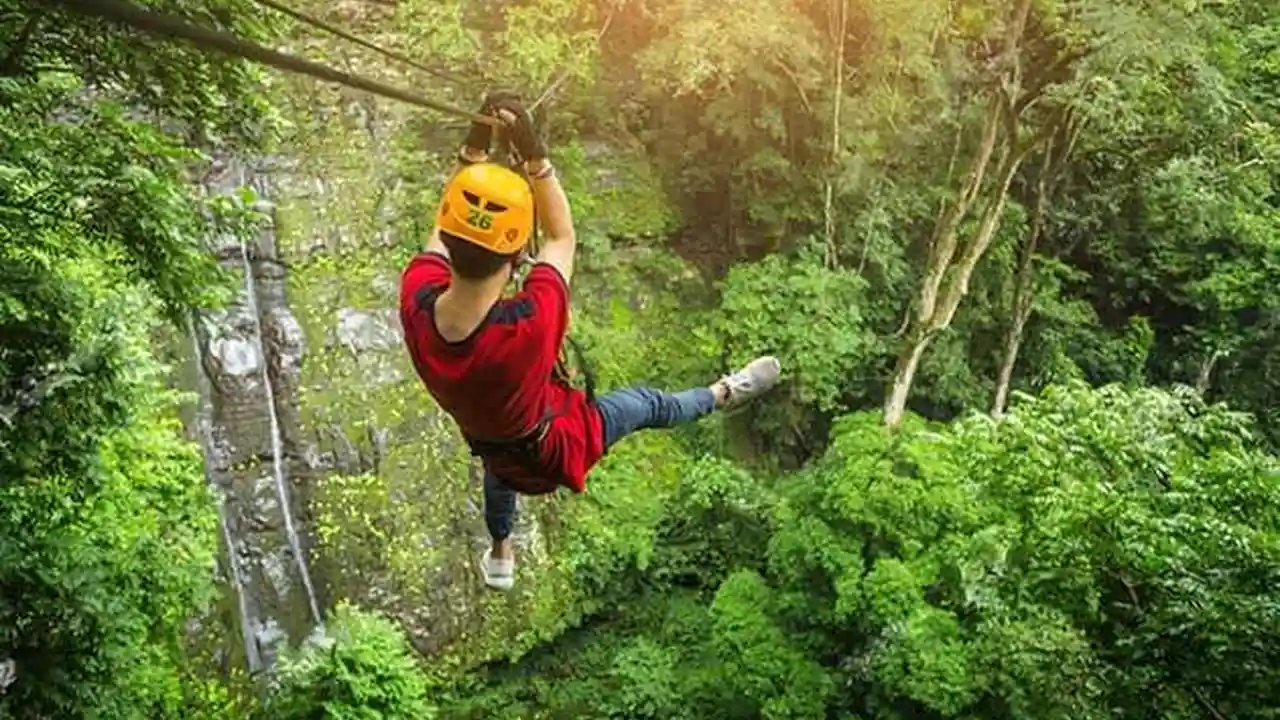
Senior Trip Adventure Activities in Laos
Discover senior trip historical sites in Singapore. Explore a blend of colonial heritage and modern marvels.
Discover senior trip historical sites in Singapore. Explore a blend of colonial heritage and modern marvels.
Senior Trip Historical Sites in Singapore
Singapore, often celebrated for its futuristic skyline and lush urban gardens, holds a rich tapestry of history waiting to be explored. For senior travelers, this island nation offers a unique blend of colonial heritage, wartime memories, and the story of its remarkable transformation from a fishing village to a global powerhouse. This guide will take you through some of Singapore's most significant historical sites, offering insights into their importance, practical tips for visiting, and even some product recommendations to enhance your historical journey.
Colonial Heritage Exploring Singapore's British Past
Singapore's journey as a modern nation began with its establishment as a British trading post by Sir Stamford Raffles in 1819. This colonial past has left an indelible mark on the city's architecture, legal system, and cultural landscape. Exploring these sites offers a fascinating glimpse into a bygone era.
Raffles Hotel A Timeless Icon of Colonial Grandeur
No discussion of Singapore's colonial history is complete without mentioning the iconic Raffles Hotel. Opened in 1887, this grand dame has hosted literary giants, Hollywood stars, and royalty. Its stunning colonial architecture, lush courtyards, and legendary Long Bar (home of the Singapore Sling) transport visitors back to the golden age of travel.
- Historical Significance: A symbol of British colonial luxury and a witness to Singapore's transformation.
- What to See: The architecture, the Long Bar, the Raffles Hotel Museum, and the beautiful gardens.
- Visitor Tips: Even if you're not staying, you can visit the public areas, enjoy a Singapore Sling, or have afternoon tea.
The National Gallery Singapore A Fusion of History and Art
Housed in two magnificent national monuments – the former Supreme Court and City Hall – the National Gallery Singapore is a testament to the city's architectural heritage. These buildings played crucial roles in Singapore's colonial administration and its path to independence. Today, they house the world's largest public collection of Southeast Asian art.
- Historical Significance: Former seats of colonial power and justice, now transformed into a cultural hub.
- What to See: The stunning architecture, the historical chambers, and the extensive art collection.
- Visitor Tips: Allocate at least half a day to explore both buildings and their exhibitions. Guided tours are available.
Fort Canning Park A Hill of History and Greenery
Fort Canning Park, a small hill in the heart of Singapore, has been a significant landmark for centuries. It was once the site of Malay royalty's palaces and later became the headquarters of the British Far East Command during World War II. Today, it's a tranquil park with historical relics, spice gardens, and walking trails.
- Historical Significance: From ancient Malay royalty to British military headquarters, a site of continuous historical importance.
- What to See: The Battlebox (a former underground command centre), the Spice Garden, the Fort Gate, and various historical markers.
- Visitor Tips: Wear comfortable shoes as there are some inclines. The Battlebox offers insightful tours.
Wartime Memories Singapore's Resilience During WWII
Singapore's history is also marked by the dark period of World War II, particularly the Japanese Occupation from 1942 to 1945. Visiting sites related to this period offers a poignant reminder of the sacrifices made and the resilience of the Singaporean people.
Changi Chapel and Museum Remembering the POWs
The Changi Chapel and Museum serves as a memorial to the thousands of prisoners of war (POWs) and civilian internees who suffered under Japanese occupation in Changi Prison. The museum houses personal artifacts, drawings, and letters, telling powerful stories of courage and survival.
- Historical Significance: A solemn reminder of the hardships faced during the Japanese Occupation.
- What to See: The chapel, the museum exhibits, and the outdoor memorial wall.
- Visitor Tips: It's a bit out of the city center, so plan your transportation. Allow ample time for reflection.
The Battlebox Fort Canning's Underground Command Centre
Located within Fort Canning Park, The Battlebox is a former underground command centre that played a crucial role in the Malayan Campaign and the Fall of Singapore during WWII. It was here that the decision to surrender Singapore to the Japanese was made. Today, it's a museum offering an immersive experience of the events leading up to the surrender.
- Historical Significance: The site of a pivotal moment in Singapore's wartime history.
- What to See: The underground bunkers, interactive exhibits, and a guided tour that brings the history to life.
- Visitor Tips: Guided tours are highly recommended for a deeper understanding. Book in advance, especially during peak season.
Syonan Jinja Shrine The Lost Japanese Shrine
While not a public museum, the remains of Syonan Jinja Shrine, a Shinto shrine built by the Japanese during their occupation, offer a unique and somewhat eerie glimpse into this period. Located deep within the MacRitchie Reservoir Park, its ruins are a testament to a forgotten chapter of history. Accessing it requires a trek, making it more suitable for adventurous senior travelers.
- Historical Significance: A rare physical remnant of the Japanese Occupation's ideological impact.
- What to See: The overgrown ruins of the shrine, a sense of historical mystery.
- Visitor Tips: This is an off-the-beaten-path site. It requires a significant hike through the forest, so be prepared with proper footwear, water, and navigation tools. Not recommended for those with mobility issues.
From Fishing Village to Global City Singapore's Journey to Independence
Singapore's post-war journey to independence and its subsequent rapid development is a remarkable story of vision, resilience, and pragmatism. Several sites tell the tale of this transformation.
The National Museum of Singapore Chronicling the Nation's Story
As Singapore's oldest museum, the National Museum of Singapore offers a comprehensive overview of the nation's history, from its ancient origins to its modern-day achievements. Its engaging exhibits use multimedia, artifacts, and personal stories to bring history to life.
- Historical Significance: The primary institution for understanding Singapore's entire historical narrative.
- What to See: The Singapore History Gallery, the Life in Singapore galleries, and various special exhibitions.
- Visitor Tips: Allow at least 2-3 hours. The museum is very accessible and offers a comfortable environment for exploration.
The Civilian War Memorial A Tribute to Victims of War
Located in the War Memorial Park, the Civilian War Memorial stands as a poignant tribute to the civilians who perished during the Japanese Occupation. Its four towering pillars represent the four main ethnic groups of Singapore, symbolizing unity in suffering.
- Historical Significance: A powerful monument commemorating civilian lives lost during WWII.
- What to See: The four pillars, the memorial plaque, and the surrounding park.
- Visitor Tips: It's a place for quiet contemplation. Easily accessible in the city center.
The Former Ford Factory Witness to Surrender
The Former Ford Factory is where the British officially surrendered Singapore to the Japanese in 1942. Today, it houses a museum, 'Syonan Gallery: Discovering the War and Its Legacies,' which provides a detailed account of the Japanese Occupation and its impact on Singapore.
- Historical Significance: The exact location of Singapore's surrender, a turning point in its history.
- What to See: The surrender room, historical artifacts, and multimedia exhibits detailing the occupation.
- Visitor Tips: It's a bit further out, so consider public transport or a taxi. The exhibits are very informative and can be emotionally impactful.
Cultural Enclaves A Living History of Singapore's Diversity
Singapore's multicultural fabric is a cornerstone of its identity. Exploring its ethnic enclaves offers a vibrant, living history lesson, showcasing the traditions, religions, and daily lives of its diverse communities.
Chinatown A Glimpse into Early Chinese Immigrant Life
Singapore's Chinatown is a bustling district rich in history and culture. From its traditional shophouses to vibrant temples and street markets, it tells the story of early Chinese immigrants and their contributions to Singapore's development.
- Historical Significance: The heart of Chinese immigrant life and cultural preservation.
- What to See: Sri Mariamman Temple (oldest Hindu temple), Buddha Tooth Relic Temple, Chinatown Heritage Centre, street art, and traditional shops.
- Visitor Tips: Explore on foot. Visit the Chinatown Heritage Centre for a deeper dive into the lives of early settlers. Try local street food.
Little India A Kaleidoscope of Indian Culture
Step into Little India and be enveloped by the vibrant sights, sounds, and smells of Indian culture. This historic precinct is home to colorful shophouses, Hindu temples, mosques, and a lively atmosphere that reflects the Indian community's heritage.
- Historical Significance: A vibrant hub for Singapore's Indian community, showcasing their traditions and contributions.
- What to See: Sri Veeramakaliamman Temple, Abdul Gafoor Mosque, Mustafa Centre (24-hour shopping), and the bustling street markets.
- Visitor Tips: Visit during festivals like Deepavali for an even more immersive experience. Try authentic Indian cuisine.
Kampong Glam The Malay-Muslim Quarter
Kampong Glam, Singapore's Malay-Muslim quarter, is steeped in history, particularly as the historical seat of the Malay royalty. Dominated by the majestic Sultan Mosque, this area is a blend of traditional Malay culture, trendy boutiques, and Middle Eastern influences.
- Historical Significance: The historical heart of Singapore's Malay community and a center for Islamic culture.
- What to See: Sultan Mosque, Haji Lane (boutiques and street art), Malay Heritage Centre, and traditional textile shops.
- Visitor Tips: Dress respectfully when visiting the mosque. Explore the side streets for unique finds.
Enhancing Your Historical Journey Product Recommendations
To make your exploration of Singapore's historical sites even more enriching and comfortable, consider these product recommendations. We'll compare a few options to help you choose what's best for your senior trip.
Portable Power Banks Keeping Your Devices Charged
Exploring historical sites often involves extensive use of your smartphone for navigation, photography, and information. A reliable portable power bank is essential to ensure your devices don't run out of juice.
- Anker PowerCore 20100:
- Description: A high-capacity power bank known for its durability and fast charging. It can charge most smartphones multiple times.
- Use Case: Ideal for full-day excursions where you'll be away from power outlets for extended periods. Great for charging phones, tablets, and even small cameras.
- Pros: High capacity, reliable, good build quality, multiple USB ports.
- Cons: Can be a bit bulky and heavy for some.
- Price: Approximately $40-$50 USD.
- Charmast Portable Charger 10400mAh:
- Description: A more compact and lightweight option, still offering a decent charge for a smartphone or two. Often features a slim design.
- Use Case: Perfect for half-day trips or when you need a lighter option for your day bag. Good for a quick top-up.
- Pros: Lightweight, portable, often more affordable.
- Cons: Lower capacity, may not fully charge larger devices multiple times.
- Price: Approximately $20-$30 USD.
- Comparison: If you prioritize maximum power and don't mind a bit of extra weight, the Anker PowerCore 20100 is superior. For lighter travel and occasional charging, the Charmast or similar compact models are excellent.
Comfortable Walking Shoes Essential for Exploration
You'll be doing a lot of walking when exploring Singapore's historical sites. Comfortable and supportive walking shoes are non-negotiable for a pleasant experience.
- Skechers Go Walk Series:
- Description: Known for their lightweight design, cushioned insoles, and breathable materials. Designed specifically for walking comfort.
- Use Case: Excellent for long days of walking on various surfaces, from paved streets to park paths.
- Pros: Extremely comfortable, lightweight, good ventilation, easy to slip on/off.
- Cons: May not offer as much arch support as some specialized athletic shoes, not ideal for rugged terrain.
- Price: Approximately $50-$80 USD.
- New Balance Fresh Foam X 880v13:
- Description: A versatile running shoe that doubles as an excellent walking shoe, offering superior cushioning and support.
- Use Case: Ideal for those who need more structured support and cushioning for extended periods of standing and walking, especially if you have foot or joint concerns.
- Pros: Excellent cushioning, good stability, durable, suitable for various foot types.
- Cons: Can be heavier and less breathable than dedicated walking shoes, higher price point.
- Price: Approximately $130-$150 USD.
- Comparison: For pure walking comfort and lightweight feel, Skechers Go Walk is a strong contender. If you require more robust support, cushioning, and durability for extensive walking, the New Balance Fresh Foam X 880v13 offers a more athletic and supportive option.
Portable Fan Staying Cool in the Tropical Climate
Singapore's tropical climate can be hot and humid. A portable fan can provide much-needed relief when exploring outdoor historical sites or waiting for public transport.
- JISULIFE Handheld Mini Fan:
- Description: A popular and highly-rated portable fan that is rechargeable, compact, and offers multiple speed settings. Some models even have a power bank function.
- Use Case: Perfect for personal cooling on the go, whether you're at an outdoor market, a historical park, or waiting in line.
- Pros: Strong airflow, long battery life, compact, often doubles as a power bank.
- Cons: Can be a bit noisy on higher settings.
- Price: Approximately $15-$25 USD.
- O2COOL Deluxe Necklace Fan:
- Description: A hands-free fan that hangs around your neck, allowing for continuous cooling without needing to hold it.
- Use Case: Ideal for those who prefer hands-free operation while taking photos, holding maps, or using walking aids.
- Pros: Hands-free, lightweight, convenient.
- Cons: Airflow might be less direct than handheld fans, battery life can vary.
- Price: Approximately $10-$20 USD.
- Comparison: For maximum direct airflow and versatility (especially if it has a power bank feature), the JISULIFE Handheld Mini Fan is excellent. If hands-free convenience is your top priority, the O2COOL Necklace Fan is a good choice.
Travel Guidebooks and Apps Navigating History
While exploring, having a good travel guidebook or a reliable app can provide valuable historical context and navigation assistance.
- Lonely Planet Singapore Guidebook:
- Description: A comprehensive physical guidebook offering detailed information on historical sites, cultural insights, maps, and practical tips.
- Use Case: For those who prefer a tangible resource, enjoy planning ahead, and want in-depth background information.
- Pros: Detailed, reliable, no battery needed, good for offline use.
- Cons: Can be bulky to carry, information might become slightly outdated over time.
- Price: Approximately $20-$25 USD.
- Google Maps and Google Arts & Culture App:
- Description: Google Maps for navigation and location details, and Google Arts & Culture for virtual tours and detailed information on specific historical sites and artworks.
- Use Case: For tech-savvy travelers who prefer digital resources, real-time navigation, and access to a vast database of cultural information.
- Pros: Free, real-time updates, interactive maps, extensive information, can be used offline if maps are downloaded.
- Cons: Requires a charged device, relies on internet connection for full functionality (unless downloaded).
- Price: Free (data charges may apply).
- Comparison: For a traditional, comprehensive, and offline experience, a physical guidebook like Lonely Planet is great. For real-time navigation, vast digital information, and interactive features, Google Maps and Google Arts & Culture are indispensable. Many travelers use a combination of both.
Planning Your Historical Itinerary Practical Tips for Senior Travelers
To make your historical exploration of Singapore enjoyable and comfortable, consider these practical tips:
Pacing Yourself Don't Rush the Past
Singapore's historical sites are rich in detail and significance. Avoid trying to cram too much into one day. Prioritize a few key sites that genuinely interest you and allow ample time to explore them thoroughly. Build in breaks for rest, hydration, and meals.
Accessibility Considerations Navigating Historical Sites
Many of Singapore's historical sites, especially the newer museums and renovated colonial buildings, are highly accessible with ramps, elevators, and accessible restrooms. However, some older sites or natural parks (like Fort Canning Park or the path to Syonan Jinja) may have uneven terrain or stairs. Always check the accessibility information for specific sites before your visit, especially if you have mobility concerns.
Guided Tours and Audio Guides Deeper Insights
Consider joining guided tours or utilizing audio guides at major historical sites. These can provide invaluable context, anecdotes, and insights that you might miss on your own. Many museums offer free daily tours or affordable audio guide rentals.
Staying Hydrated and Sun Protected Singapore's Climate
Singapore's tropical climate means it's often hot and humid. Carry a reusable water bottle and stay hydrated throughout the day. Wear light, breathable clothing, a wide-brimmed hat, and apply sunscreen regularly, especially when visiting outdoor sites.
Public Transportation Navigating the City
Singapore boasts an excellent and efficient public transportation system, including the MRT (Mass Rapid Transit) and buses. This is often the most convenient and affordable way to reach historical sites. Taxis and ride-sharing services are also readily available.
Embracing the Local Culture Beyond the Monuments
While the historical sites are fascinating, remember that Singapore's history is also alive in its vibrant hawker centers, traditional shophouses, and the everyday interactions of its multicultural population. Engage with locals, try the diverse cuisine, and observe daily life to gain a deeper appreciation of Singapore's unique heritage.
Singapore offers a captivating journey through time for senior travelers. From its colonial grandeur to its wartime resilience and its remarkable rise as a modern nation, the island's historical sites provide a profound understanding of its past and present. By planning thoughtfully and embracing the rich experiences on offer, your senior trip to Singapore will be an unforgettable historical adventure.
:max_bytes(150000):strip_icc()/277019-baked-pork-chops-with-cream-of-mushroom-soup-DDMFS-beauty-4x3-BG-7505-5762b731cf30447d9cbbbbbf387beafa.jpg)





 Coverage: Senior Protection.webp)